Paintings by Eugène Carrière
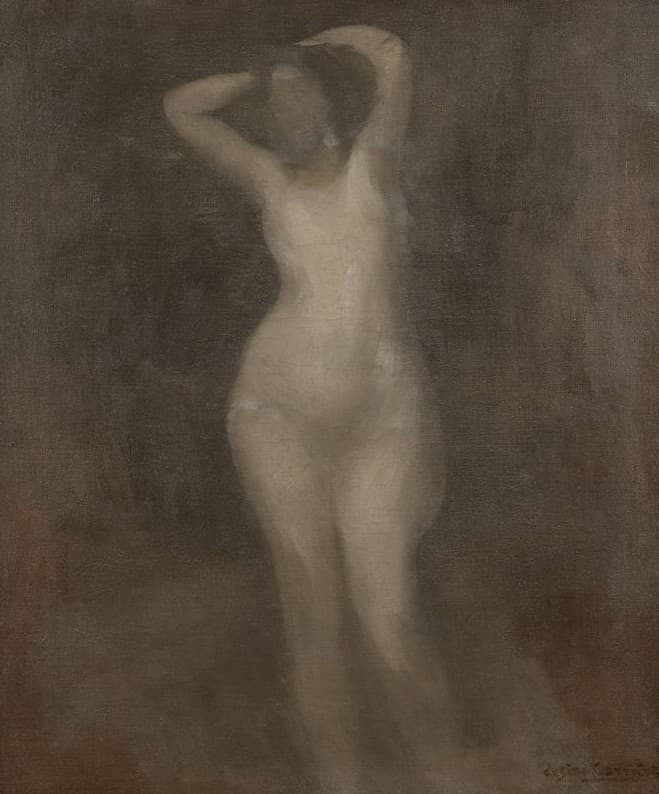
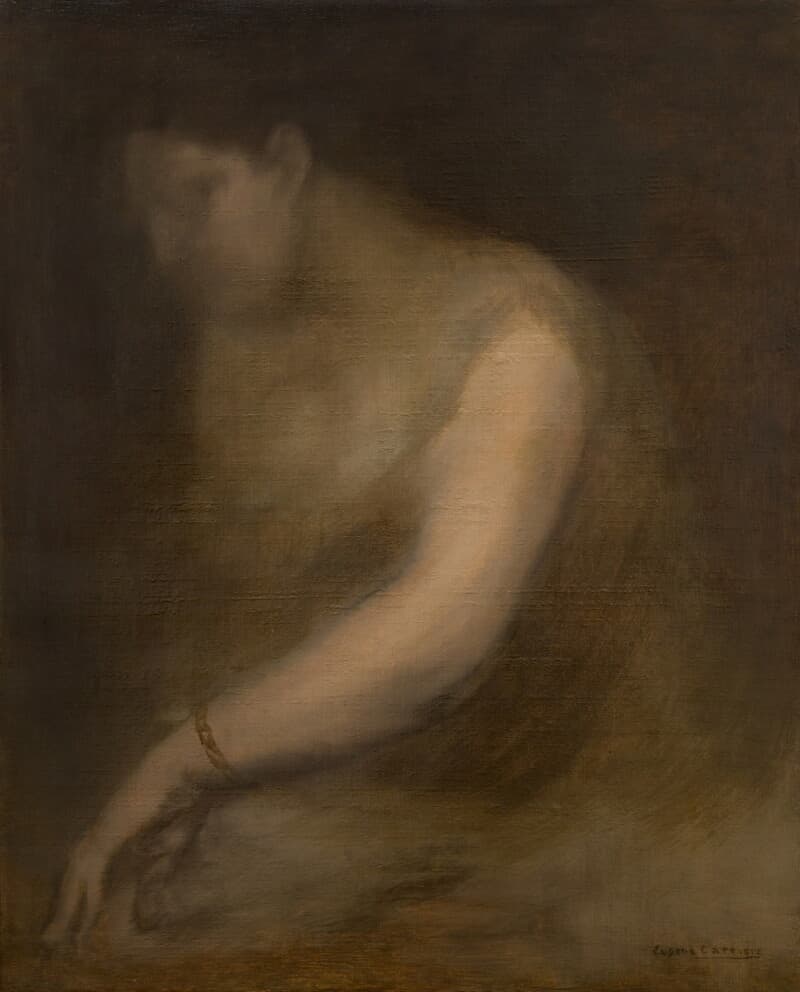
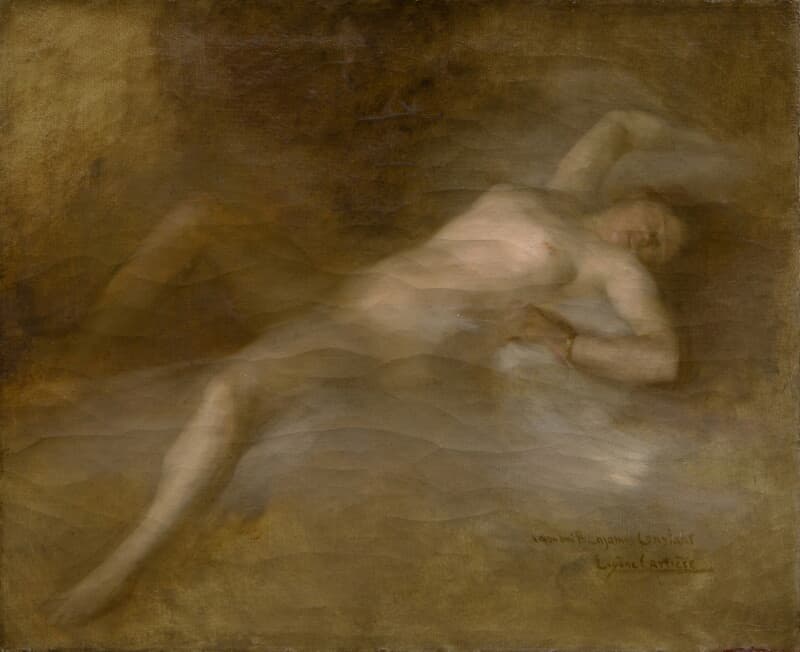
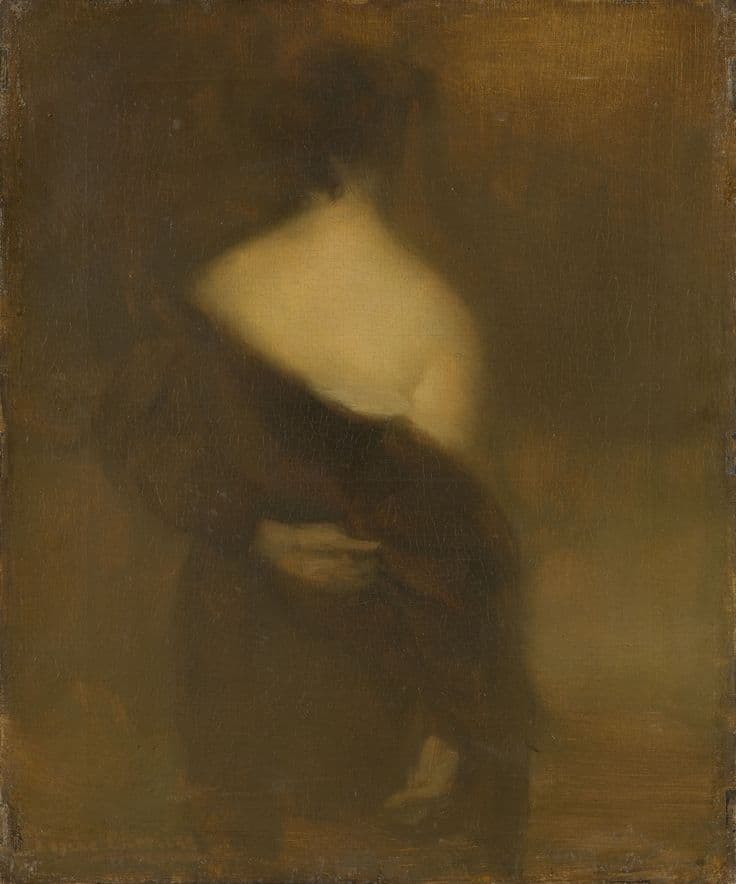
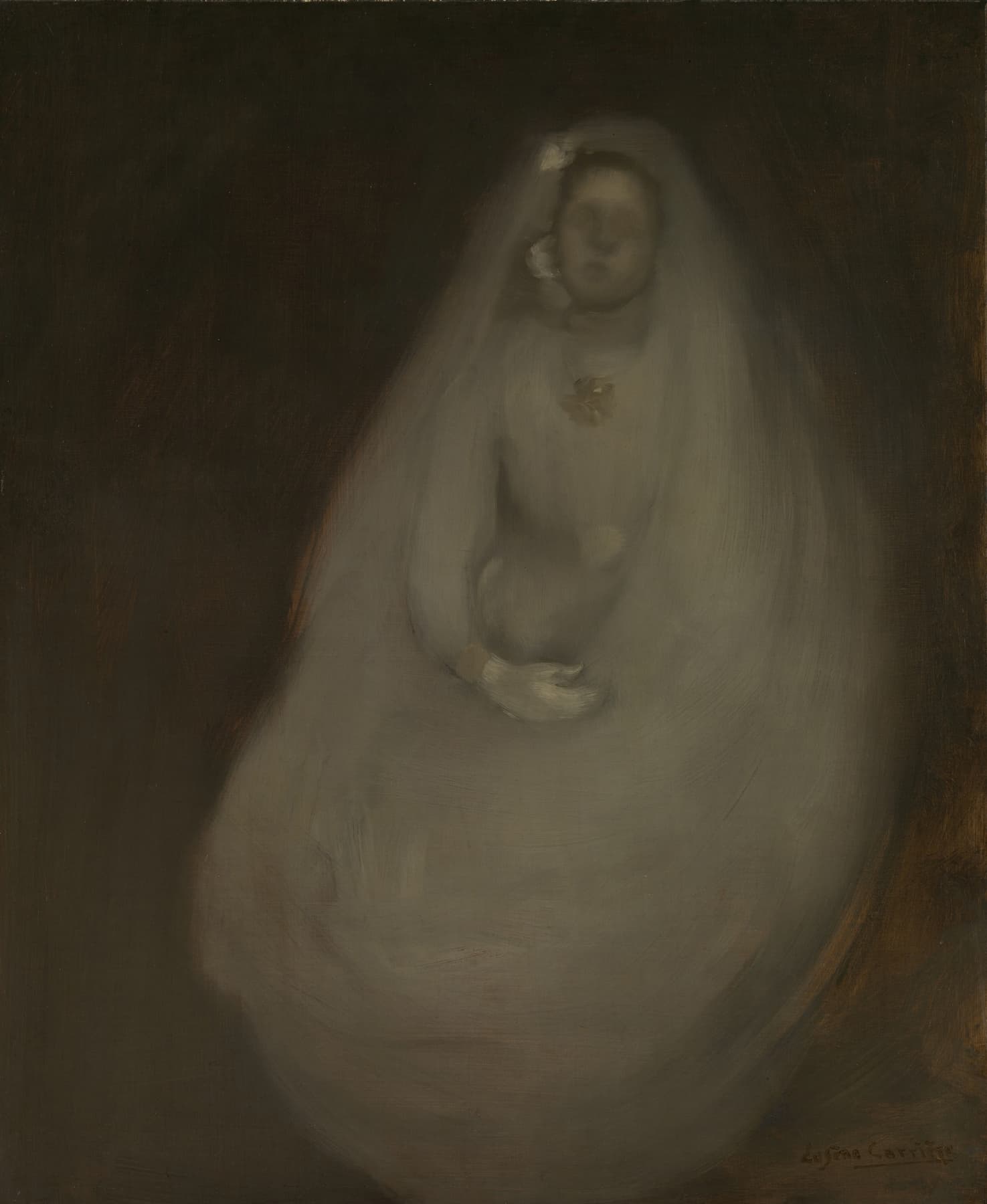
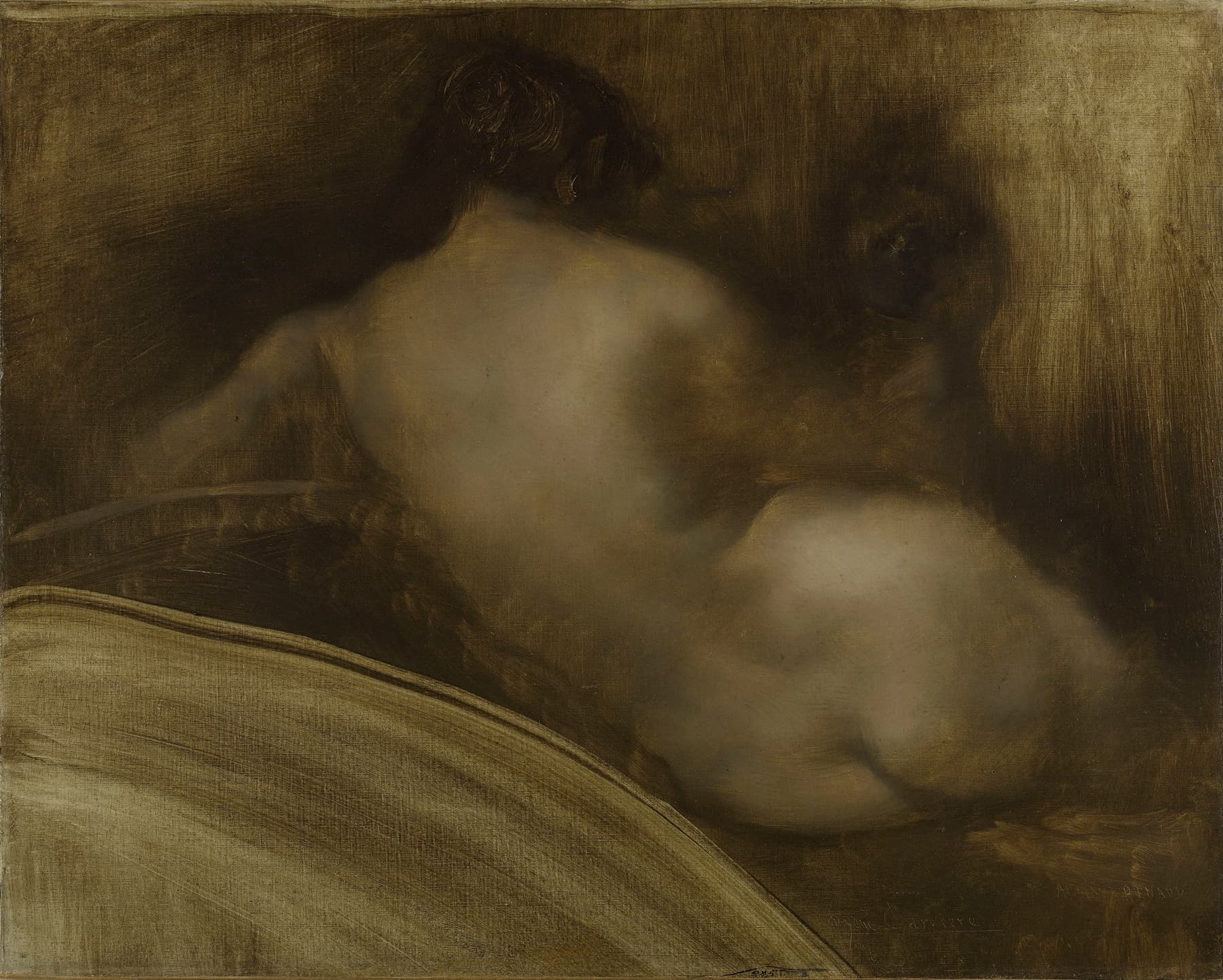
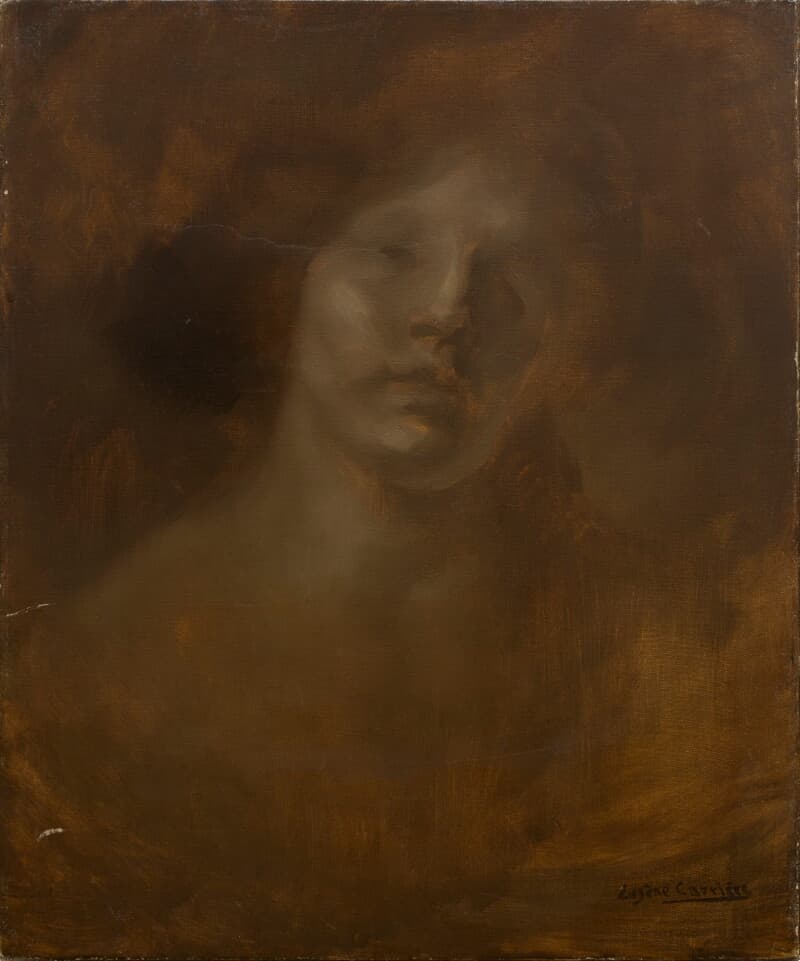
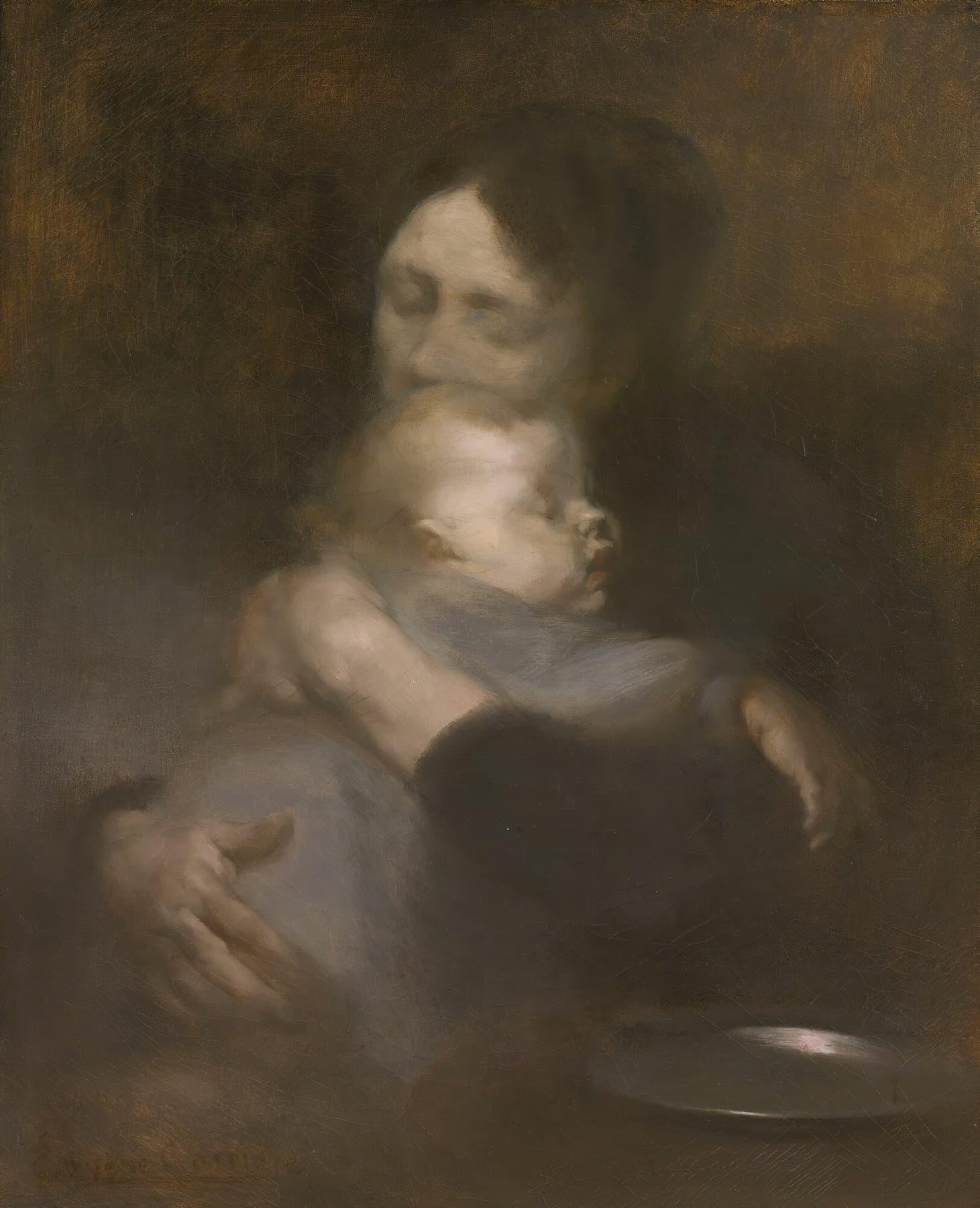
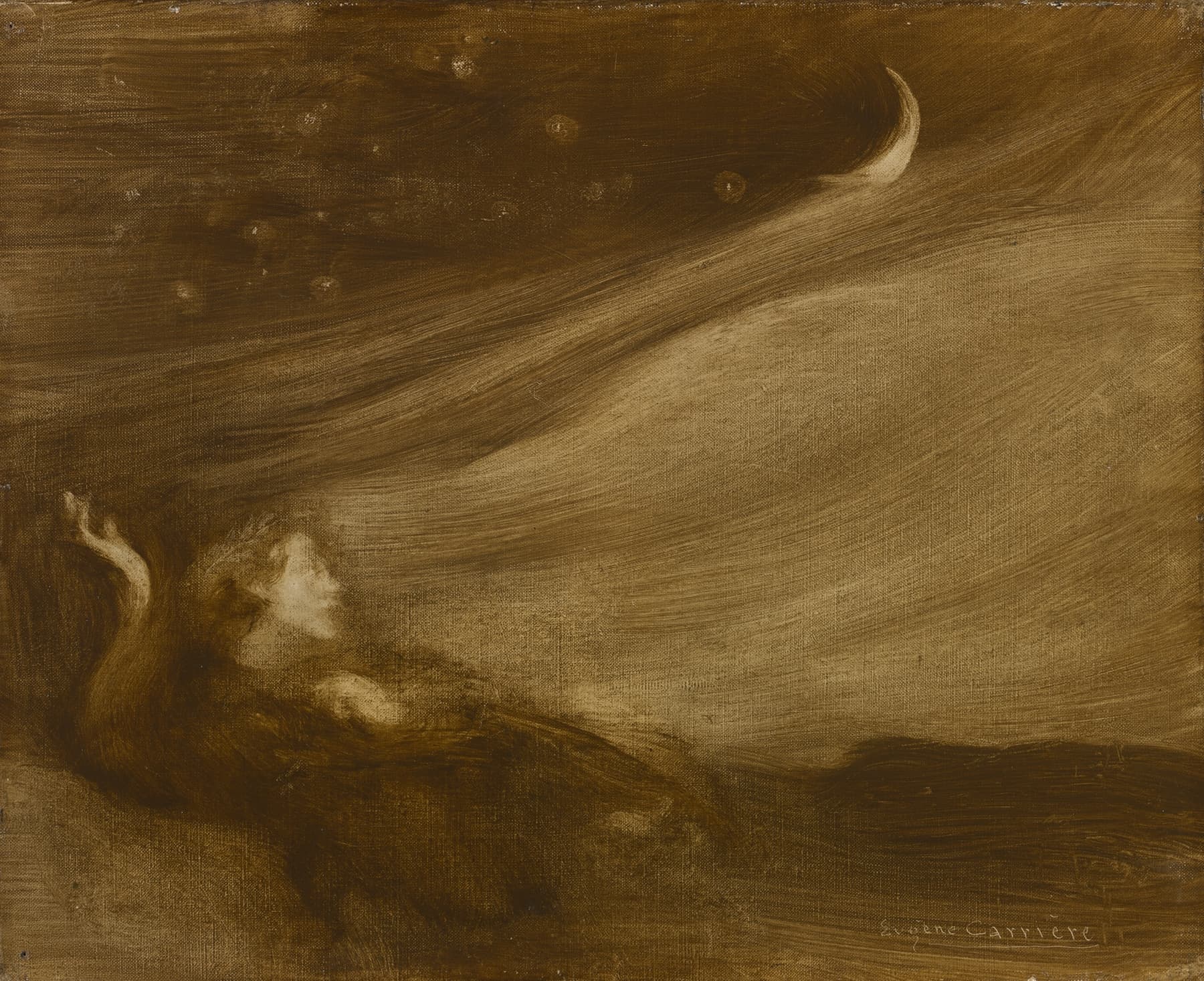
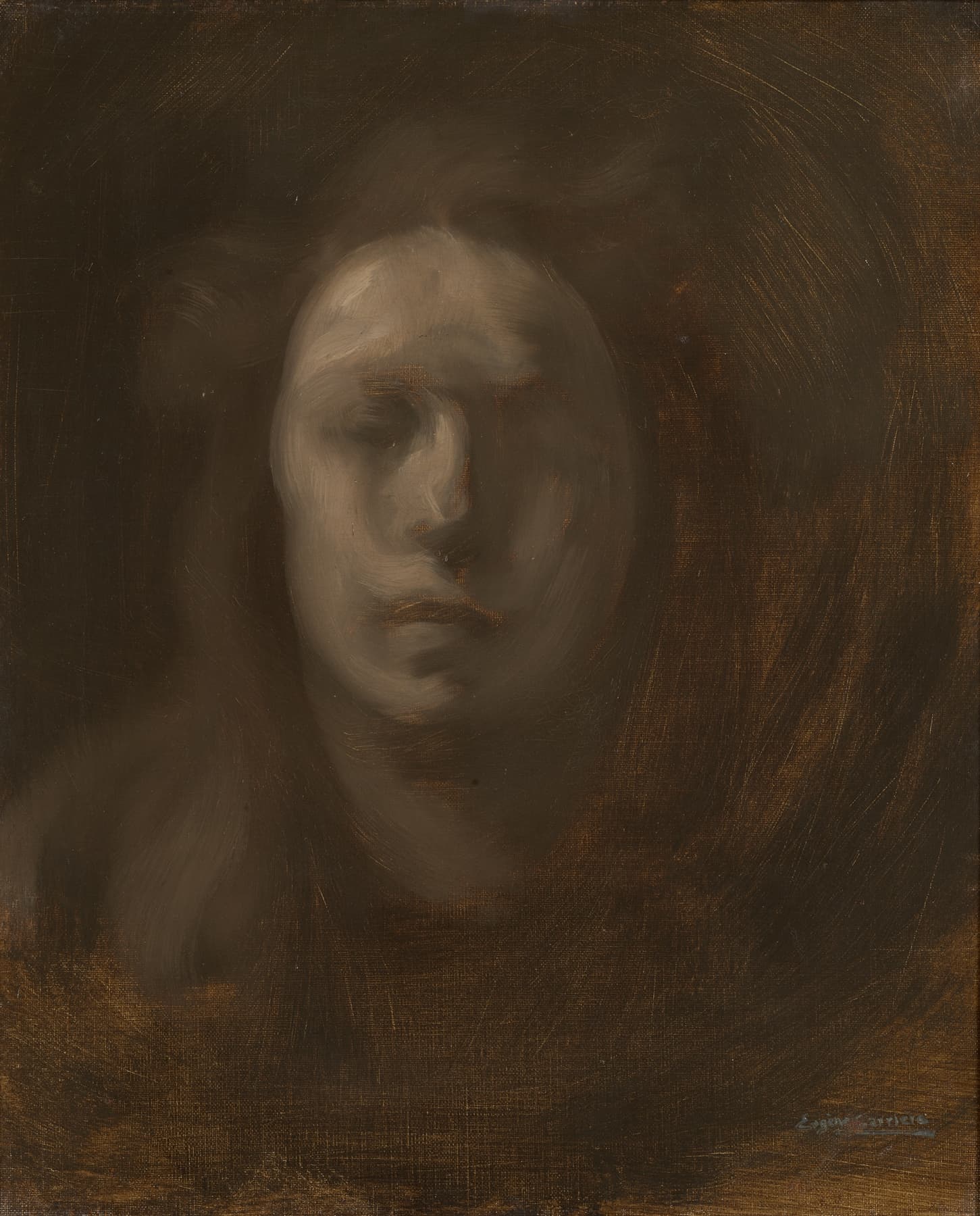
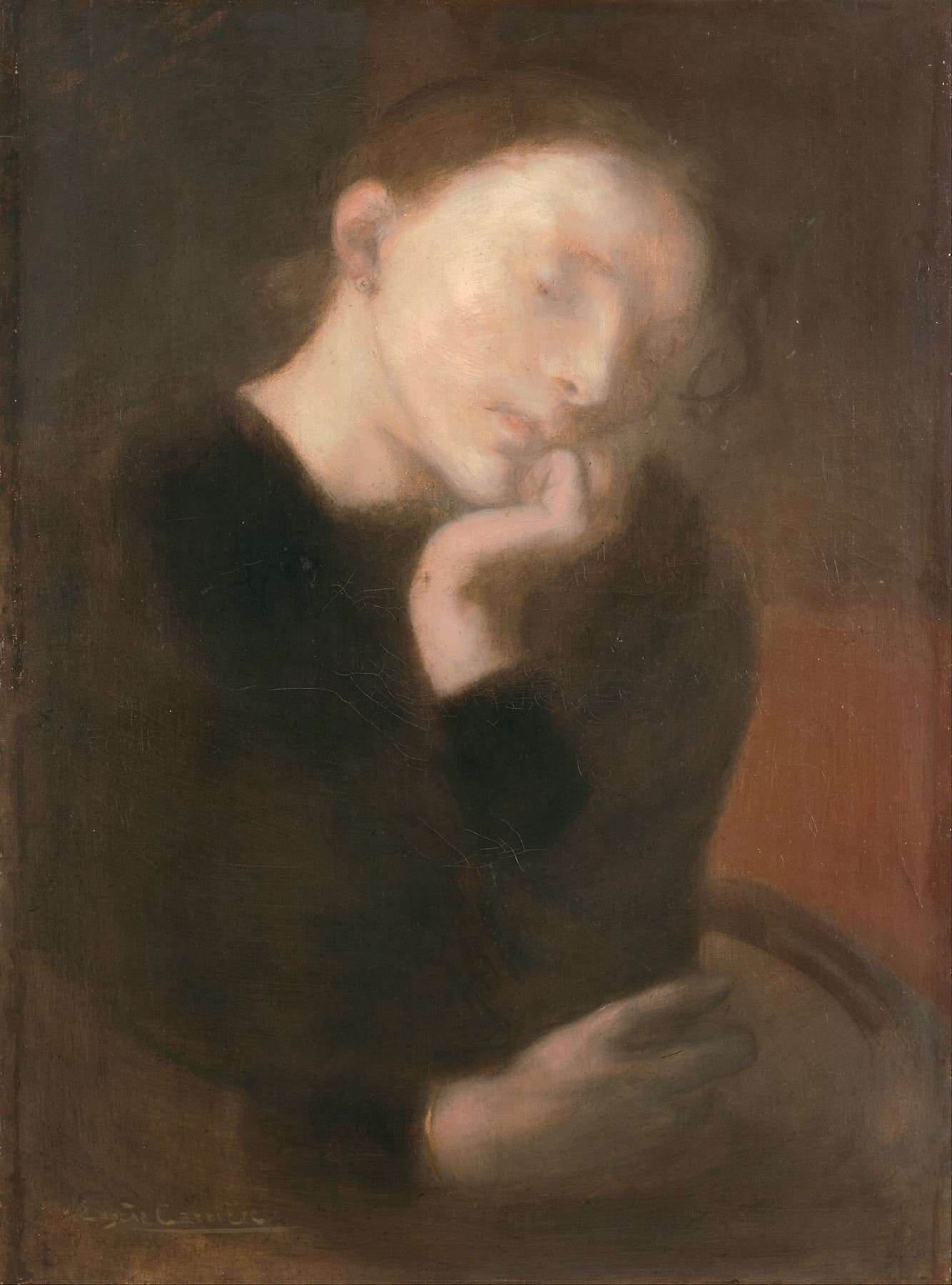
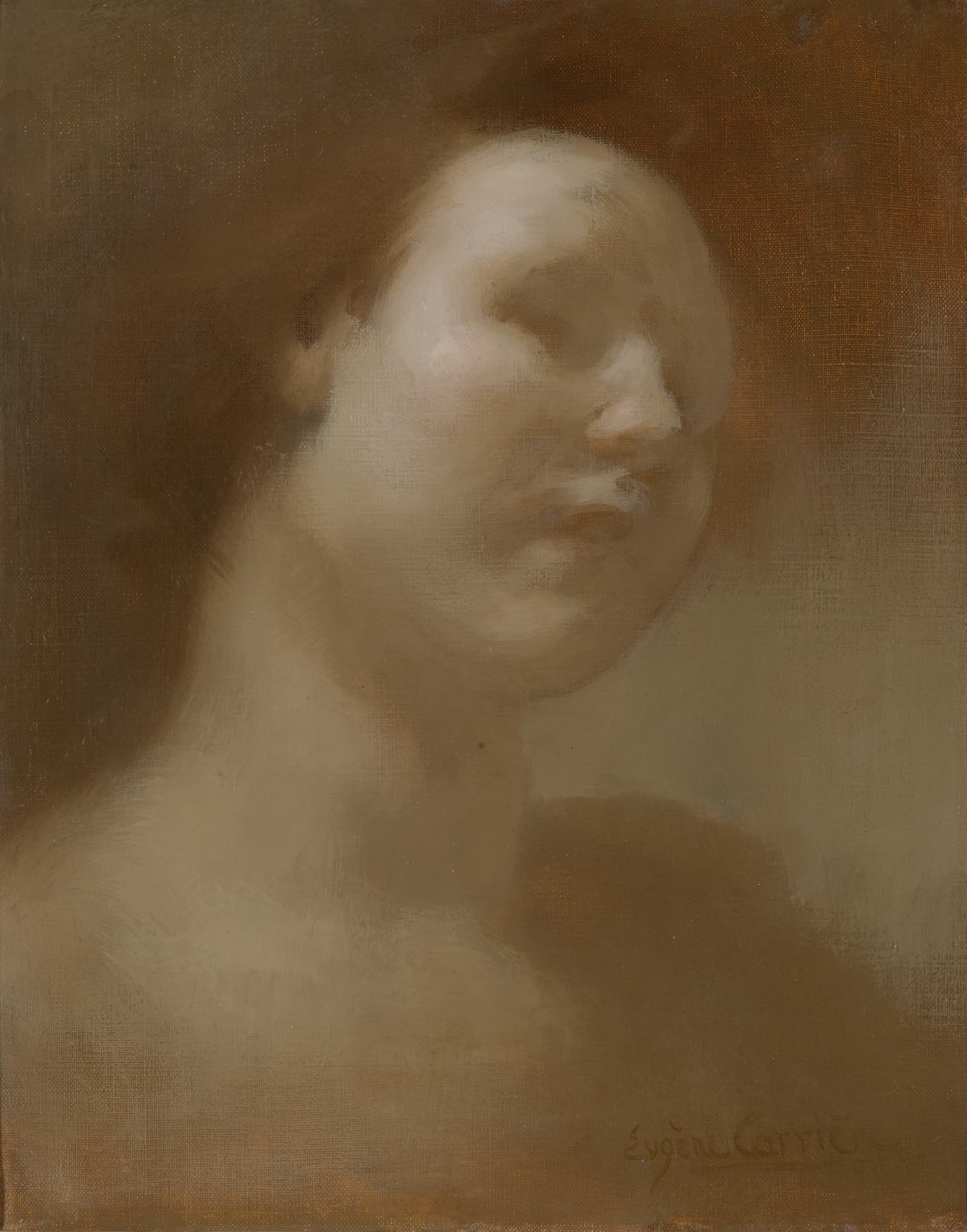
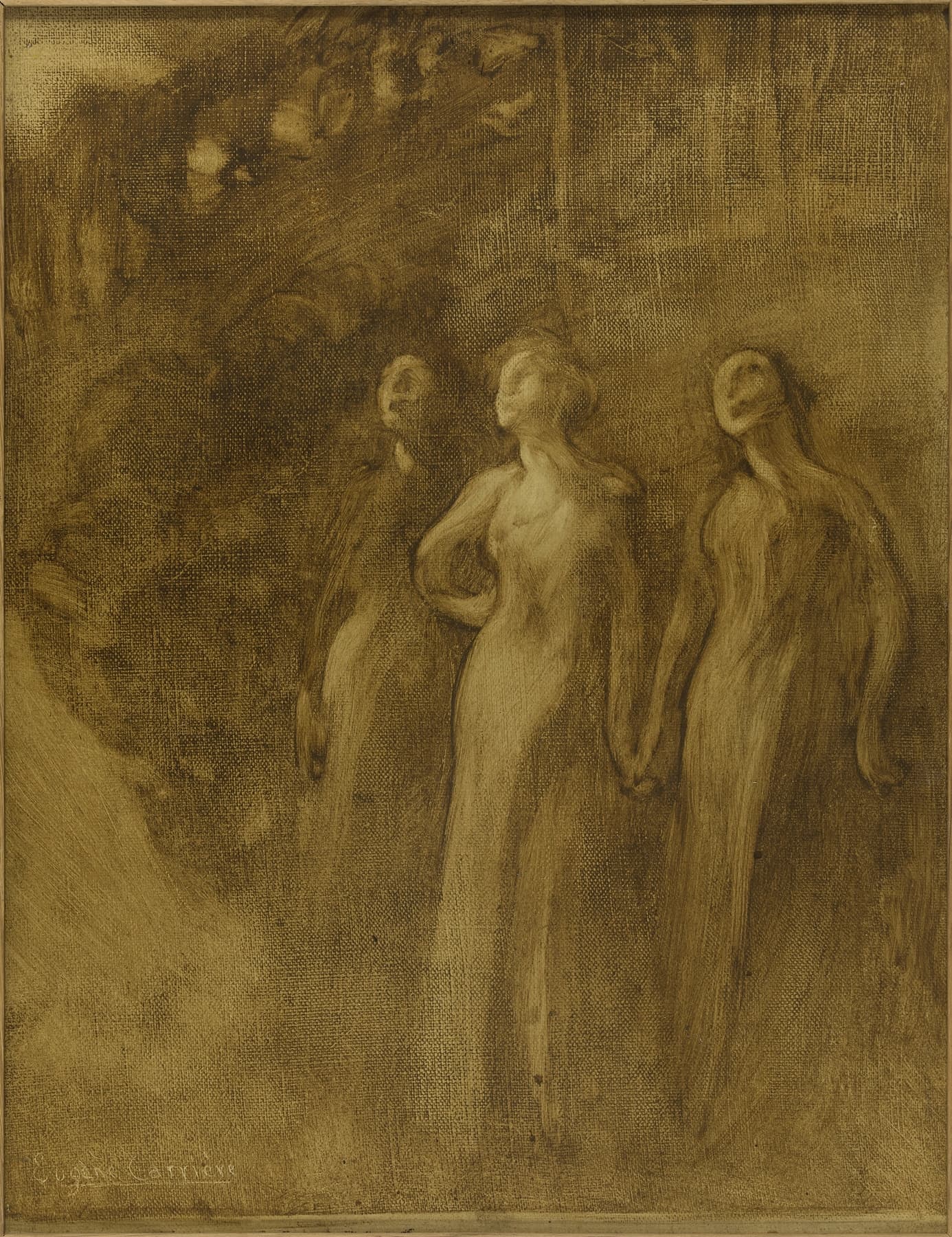
Eugène Carrière (1849-1906) was one of the most lauded figures in the artistic circle of his day; a true artist’s artist, an educator, and a master tremendously respected by his contemporaries and influential to many of the eminent names of early modern art.Auguste Rodin was a lifelong friend, Henri Matisse was one of his many notable students, Alberto Giacometti discovered Carrière’s paintings when he arrived in Paris, and Henry Moore collected Carrière’s works in his home, Paul Gauguin and Edward Steichen held him in high esteem, and Pablo Picasso owes much of his blue and pink periods to Carrière’s influence.
Although largely overlooked in the recesses of art history after the mid-20th century, Carrière’s paintings and lithography are held in some of the world’s most prestigious institutional collections including the Metropolitan Museum of Art, Musée d’Orsay, Musée du Louvre, London’s National Gallery, and the Städel Museum, to name a few.
— Who Was Eugène Carrière, the Master of Shadows? (via Sotheby's)
At the entrance to a nondescript block of artists' studios in Paris, a plaque reads, "Here lived the painter/ Eugène Carrière (1849-1906)/ Verlaine posed for him in his studio." When the mayor of Montmartre tugged away the white sheet at its ceremonial unveiling, he revealed an added inscription, graffiti scrawled in large white letters: "Fuck off I love you".Everyone loved Carrière, even if they had doubts about his paintings. The dancer Isadora Duncan, always impressionable, was overwhelmed. "He had the strongest spiritual presence I have ever felt. Wisdom and Light. A great tenderness for all streamed from him. All the beauty, the force, the miracle of his pictures were simply the direct expression of his sublime soul. When coming into his presence I felt as I imagine I would have felt had I met the Christ. I was filled with such awe. I wanted to fall on my knees ..."
He died in 1906. The cultural world of Paris, from Clemenceau to young artists such as Francis Picabia, was present at his funeral, where Rodin spoke of Carrière's "arresting ideas, expressed urgently and with a new clarity, undimmed by his suffering". Carrière's last words, recorded by his children, were ready-made for a graffito: "Aimez-vous avec frénésie." Love each other wildly.