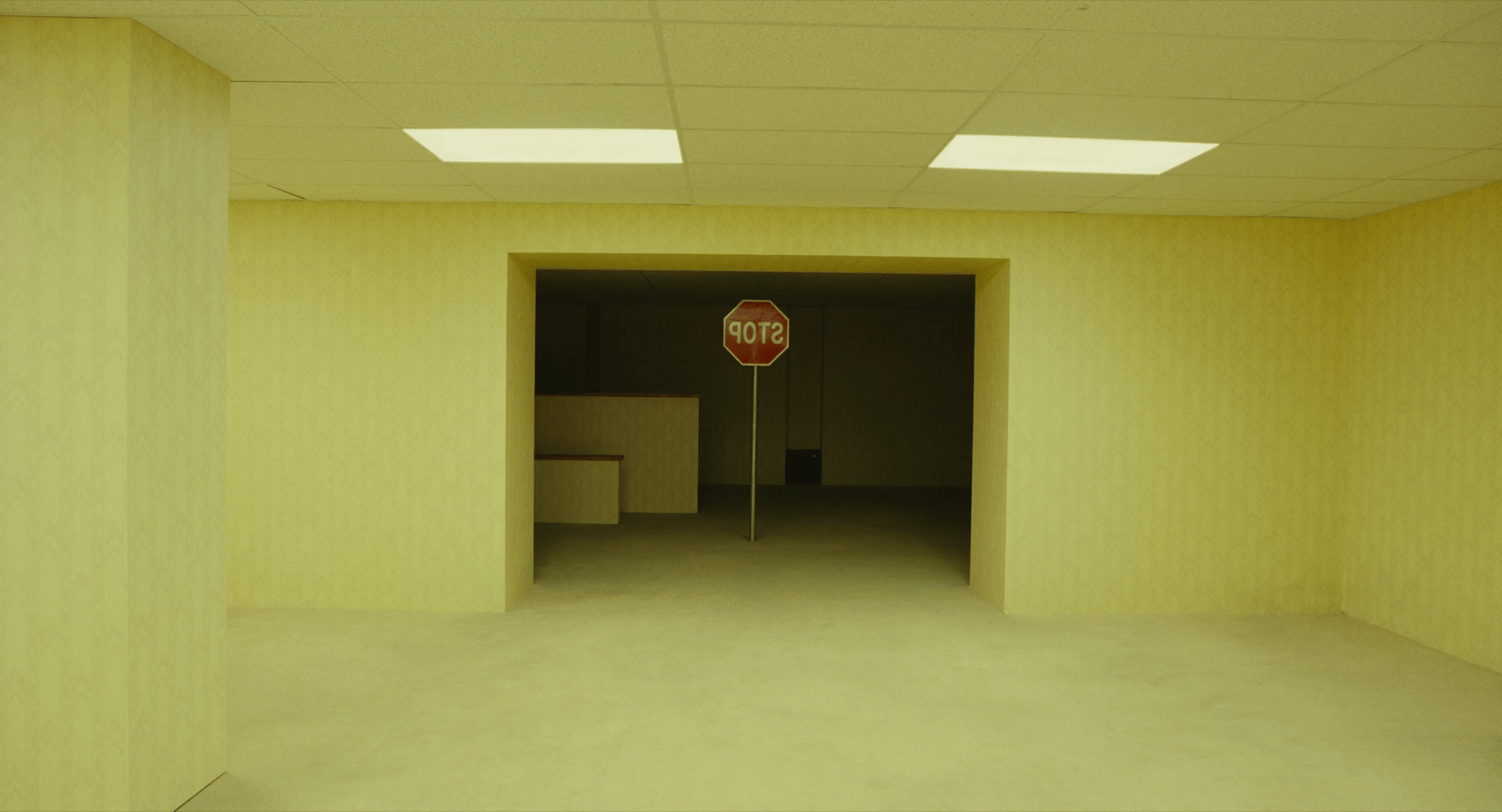
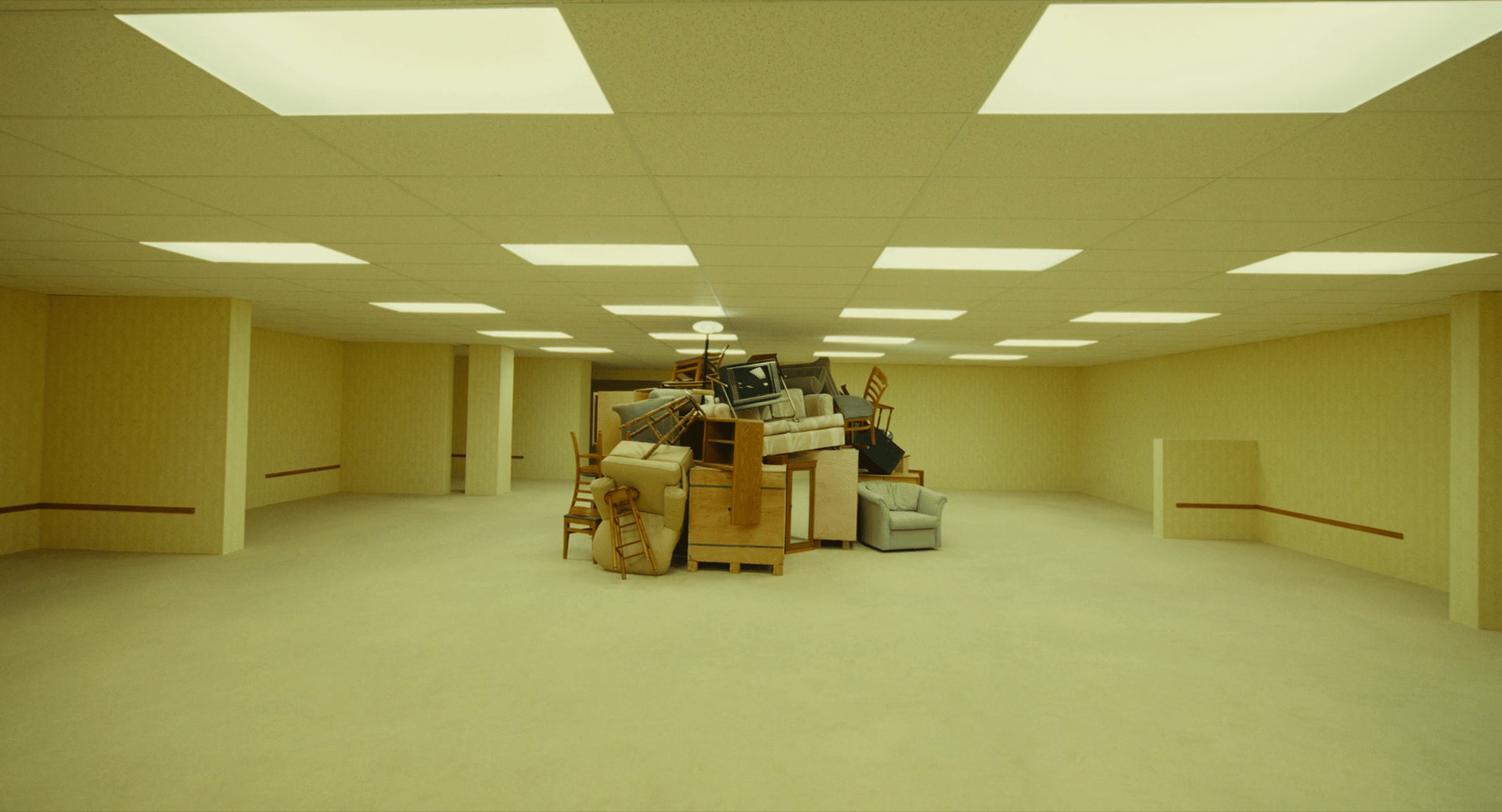
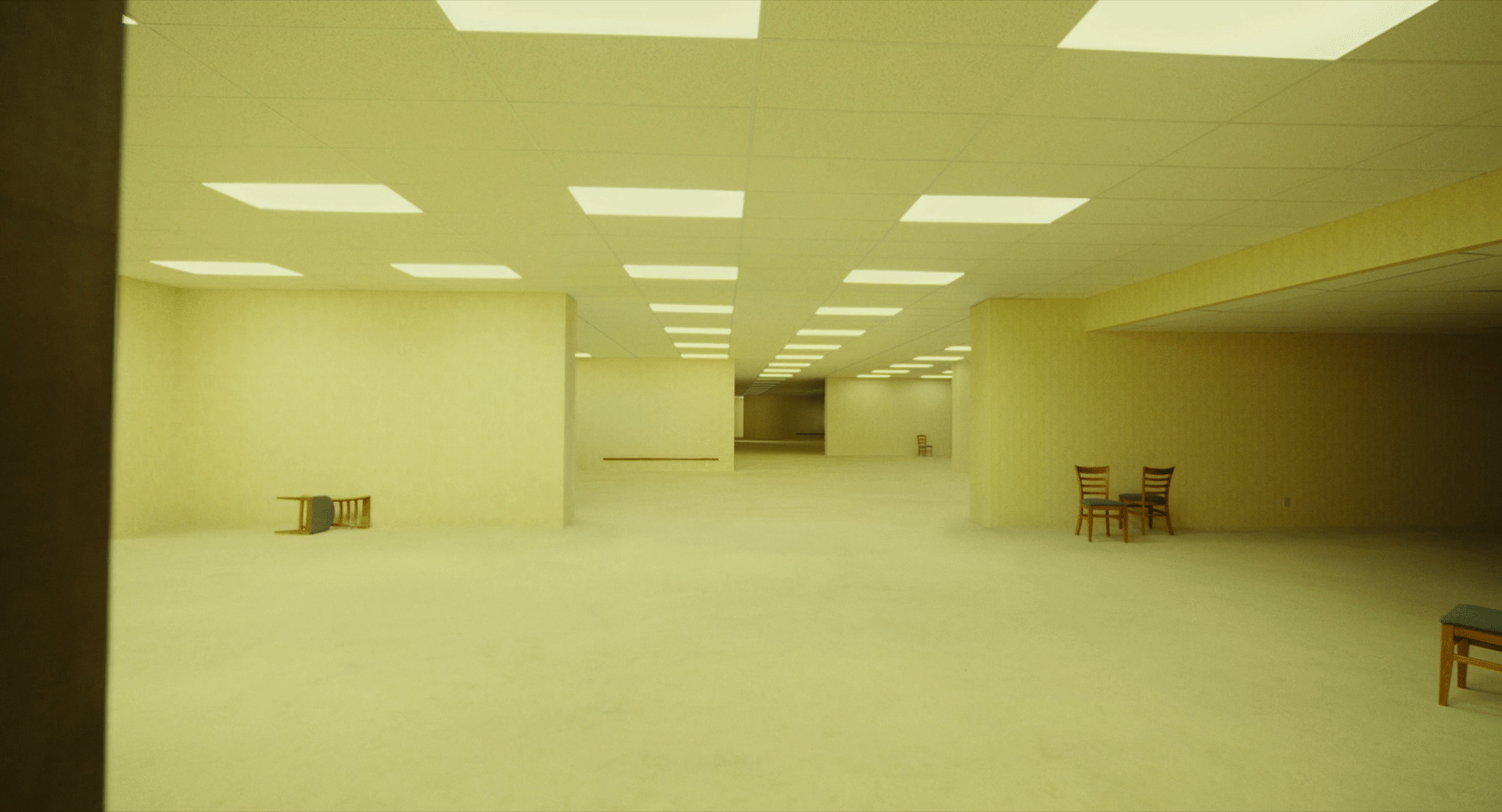
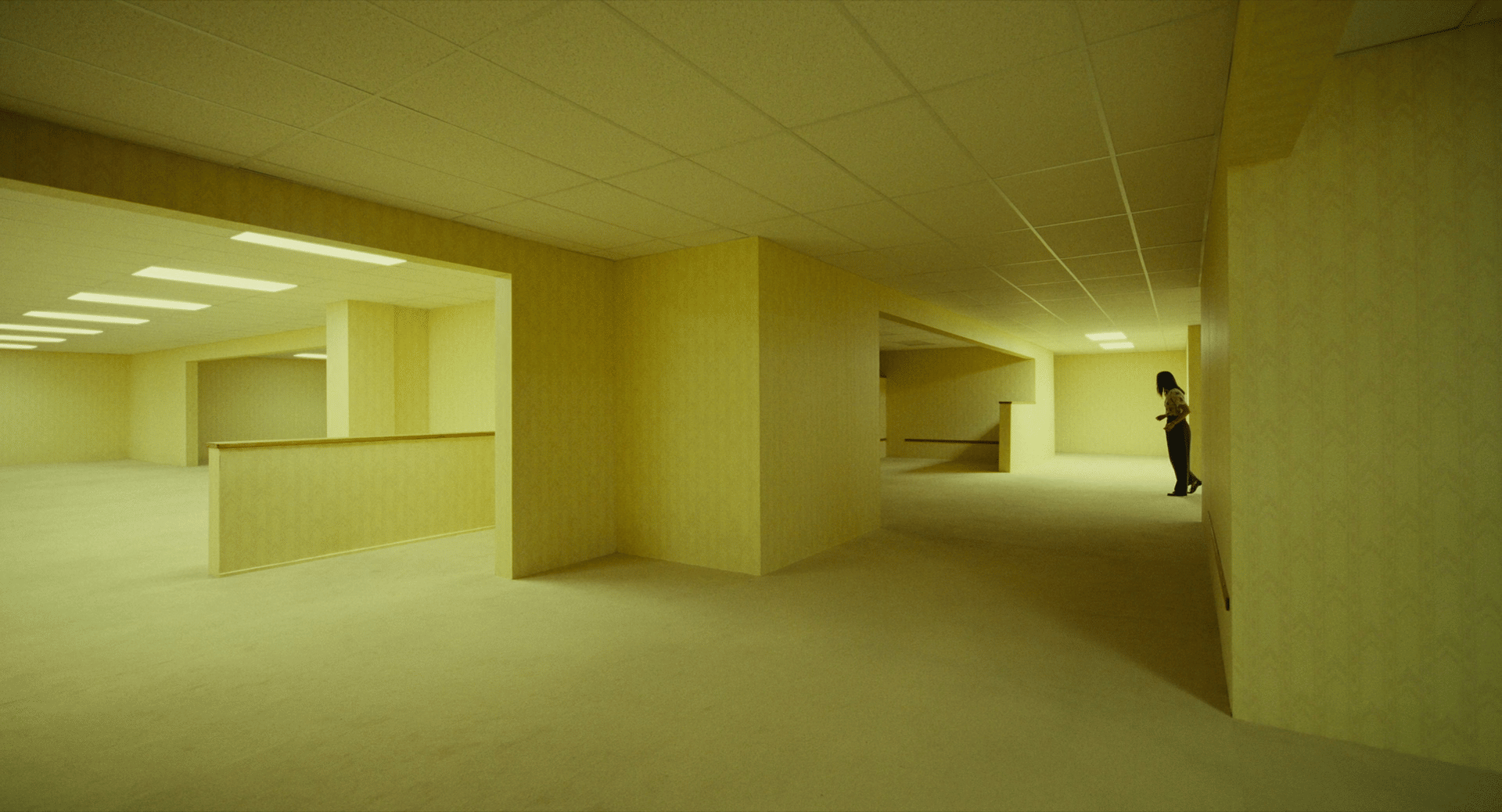
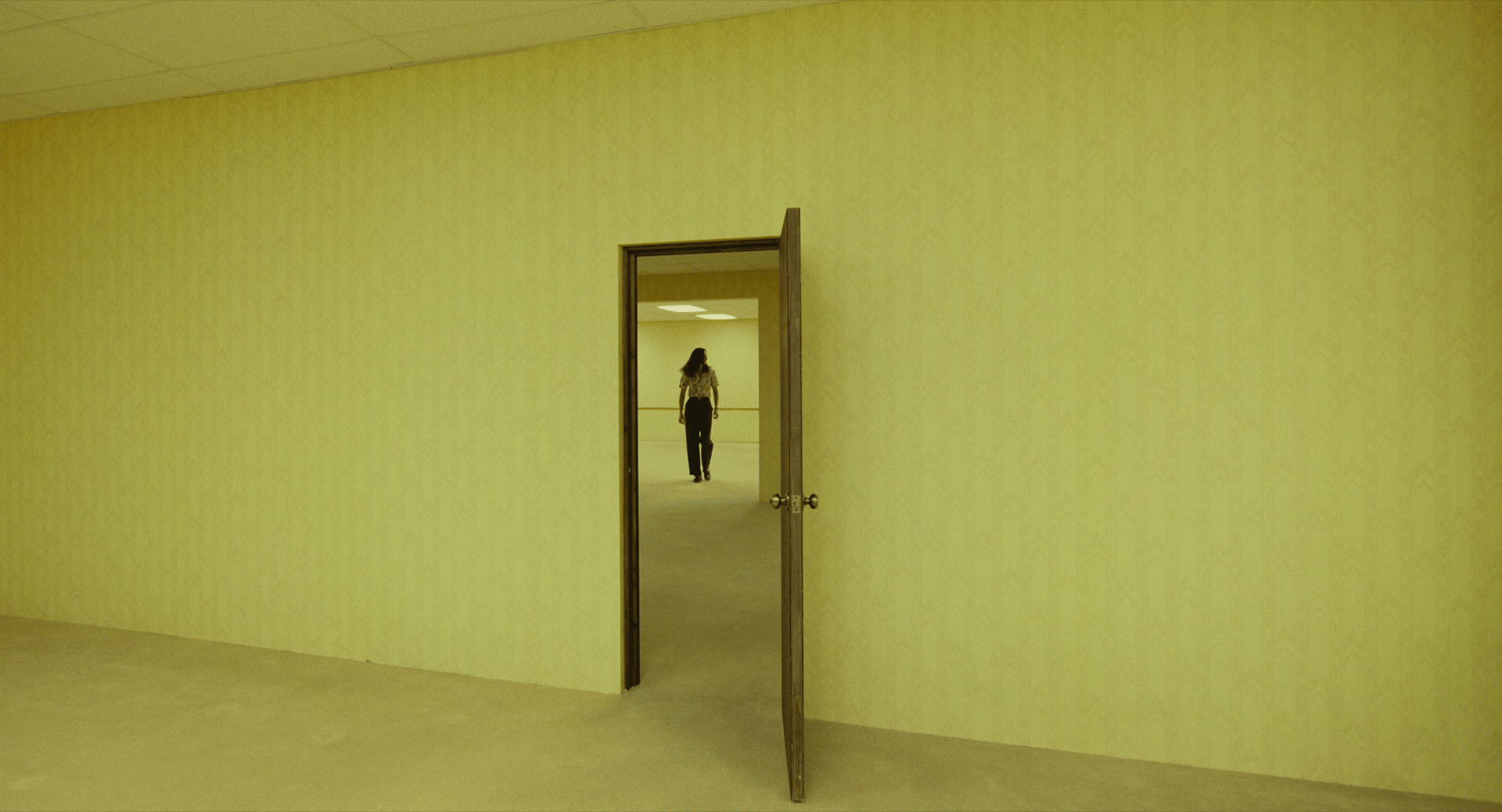
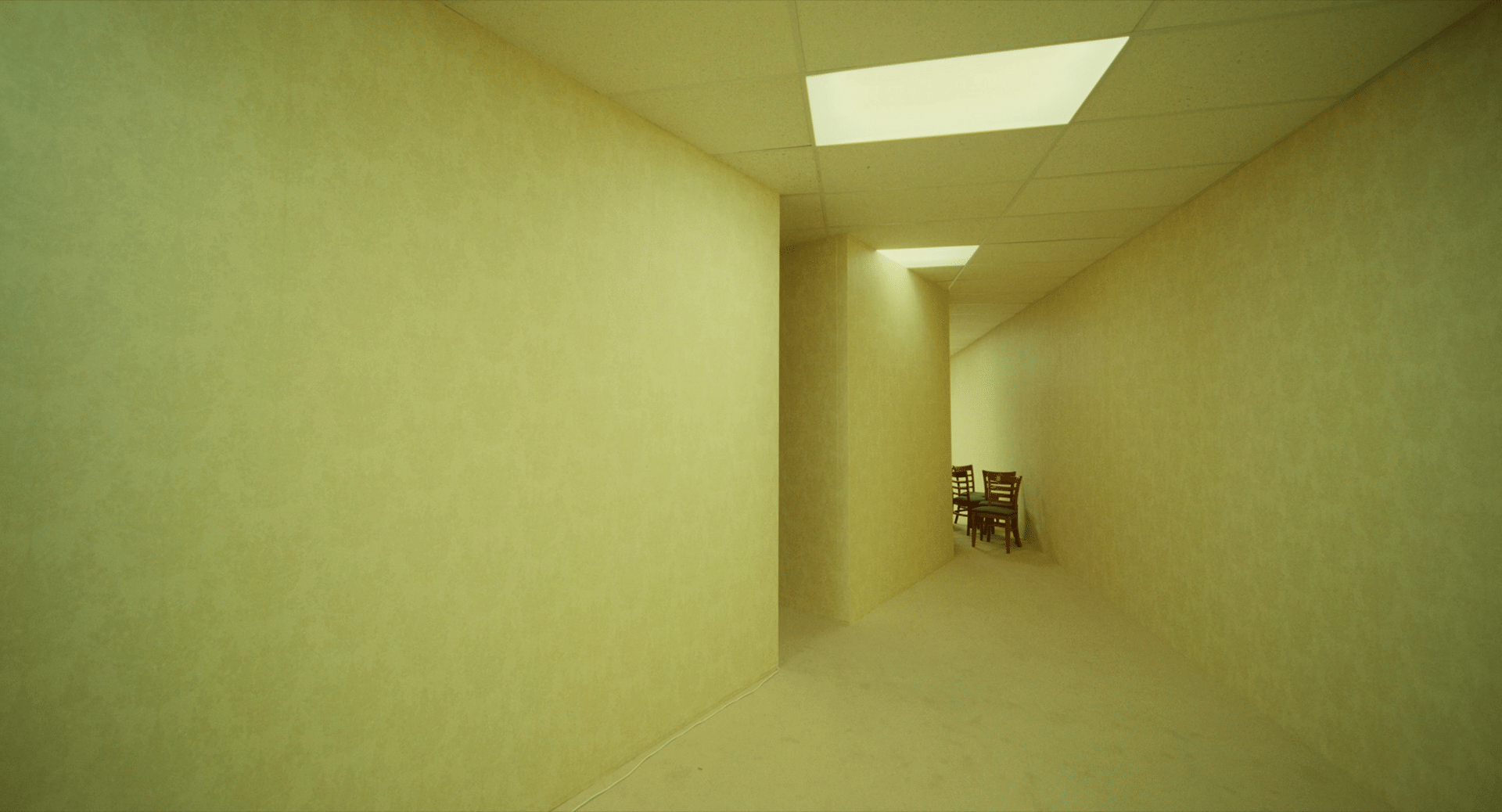
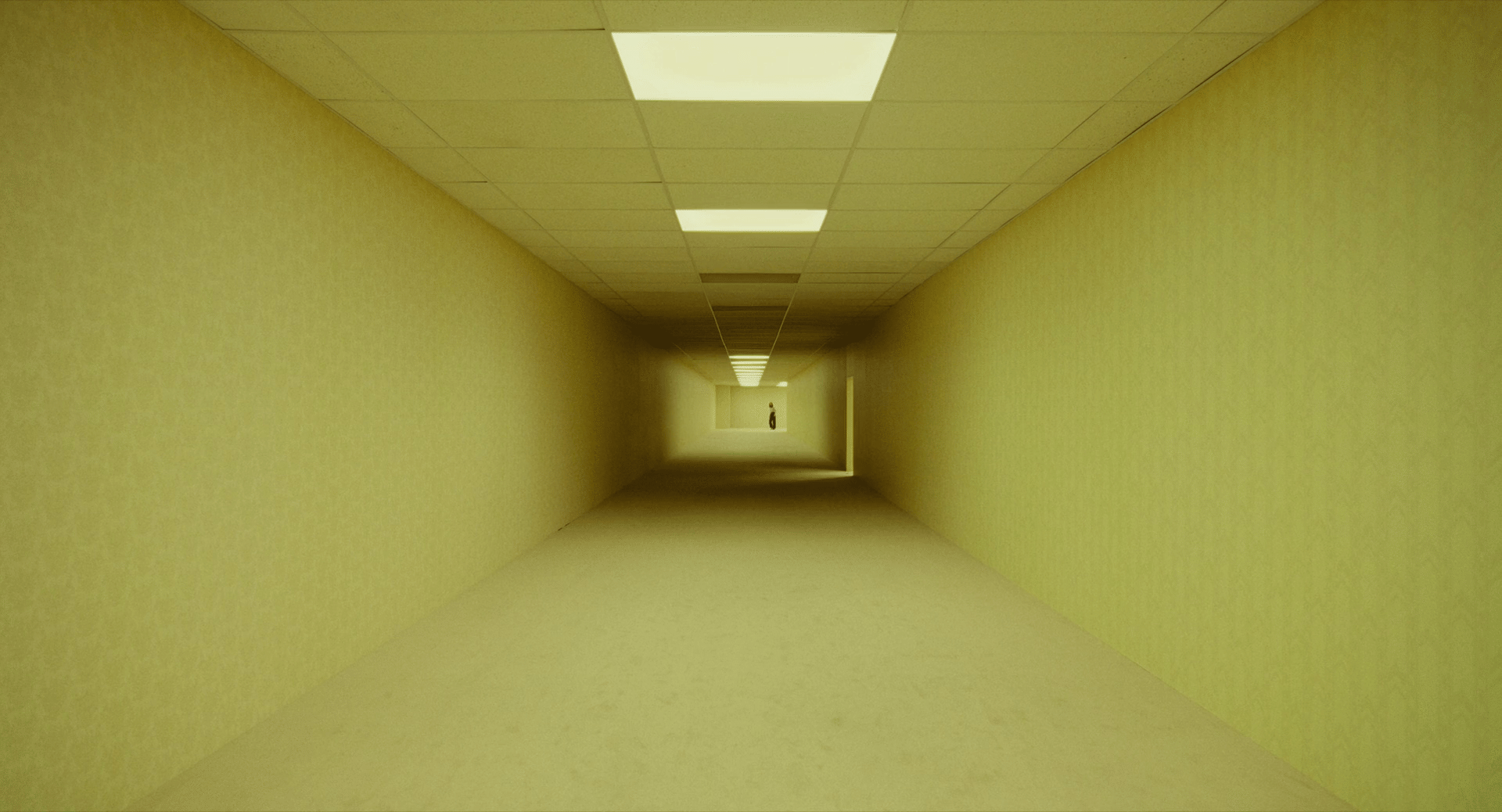
Backrooms (Kane Parsons, 2026)
"The Eternal Indoors of Backrooms" (via The New York Review of Books):
As with the rest of the so-called liminal spaces—deserted hallways, waiting rooms, and the like—that have attracted online interest over the past few years, there is a soothing quality to the emptiness of the Backrooms, to their indifference and pointlessness. Their inhabitants have “no thoughts, no pain,” Clark declares, “no ego, no fear.” It can feel like Backrooms videos tilt horror so much toward ambient dread that it becomes simply ambient, riding the edge not of terror but of tedium. What bliss, at times, to visit a place where nothing means anything.
“Human ghosts are boring,” Parsons declared in one of the many interviews he has given about Backrooms. “I want this to be the ghost of buildings, and tap into the feelings that I have with the spaces I inhabit.” Or as the front page of one of the Backrooms wikis puts it: “They say that it’s an afterlife—not for people, but for places. For every chain storefront demolished, every retail outlet bought out, every dead mall razed to the ground. A limbo for every building without purpose.”
This, for me at least, is one of the most uncanny feelings the Backrooms inspires: the realization that these places—so utterly artificial, so carefully devoted to the idea that the present is all there is, that we can move through the world consuming and consuming, without ever needing to look back—are in fact receding into the past. That even our malls are now becoming ruins, and that many of our ruins will have once been malls.