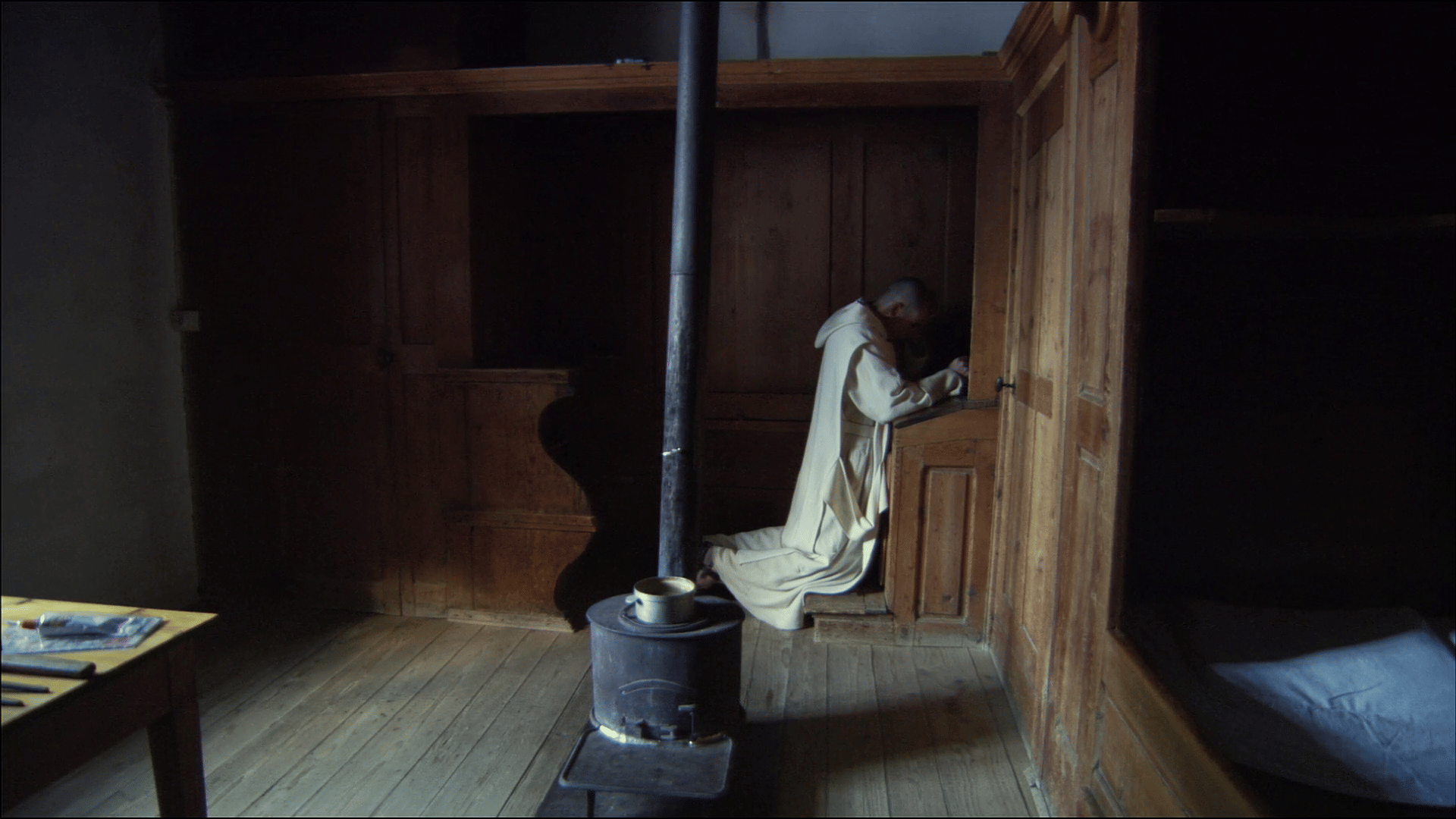
Into Great Silence (Philip Gröning, 2005)
While watching Into Great Silence, for the first time in my life I felt a desire for God—for some presence in this vast and empty universe, for divine love and salvation, for the knowledge that death is not the end. I am not religious. I'm not sure what to call myself. A materialist? A secular mystic? A pagan? My spirituality is earth-based, connected to nature and the seasons.
I've never believed in God. I believe in love and connection and art. I've gone through bouts of nihilism, despair, and dark nights of the soul, particularly after my father's death when I was a teenager and certainly right now as I grieve the loss of my mother. Living without my parents has opened up an abyss inside me. I feel an existential terror at being an orphan totally alone in the world. I guess it's no surprise I would crave connection to a higher power. I don't know how to live without my mother and father. There is nothing to replace their love.
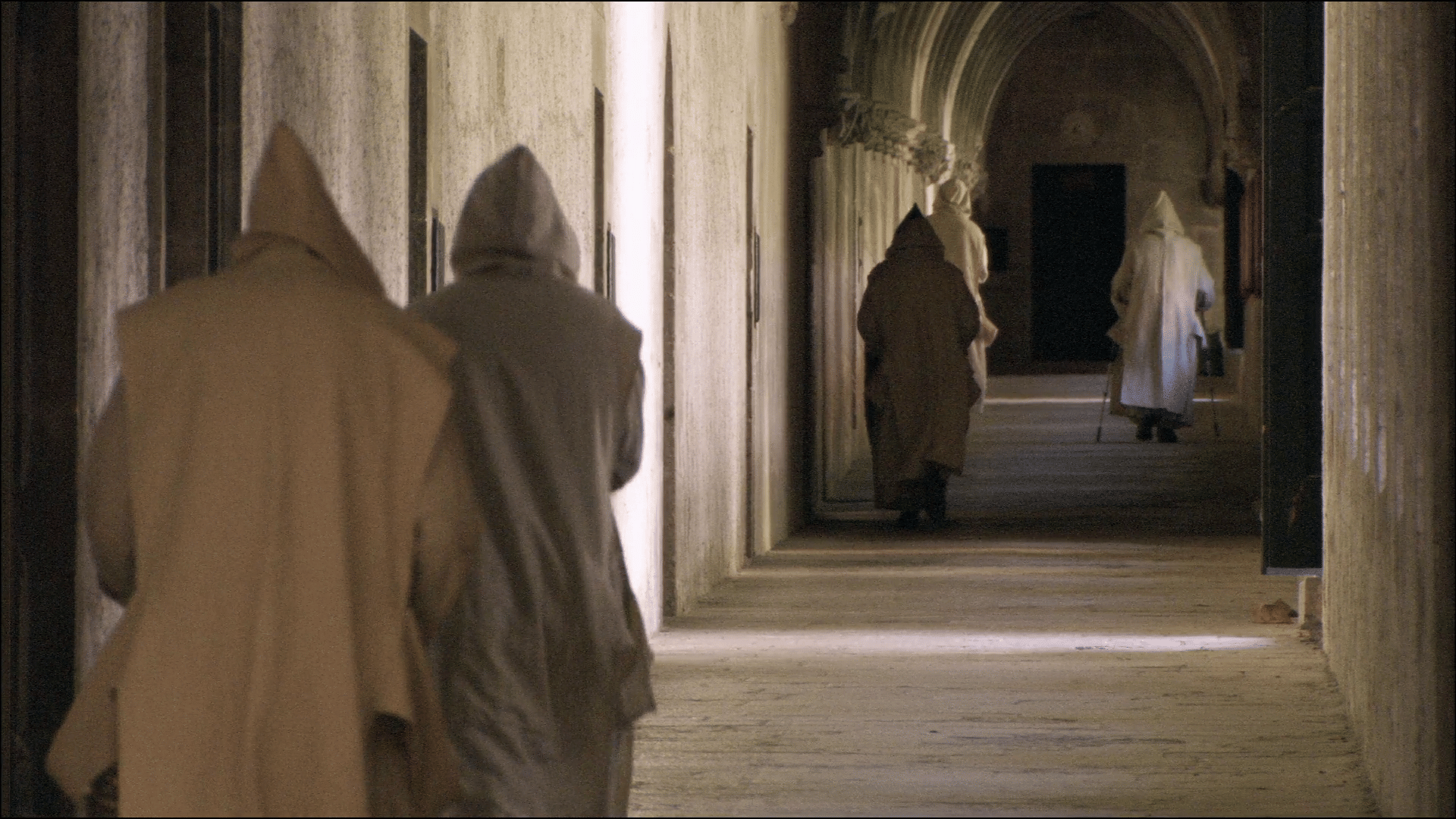
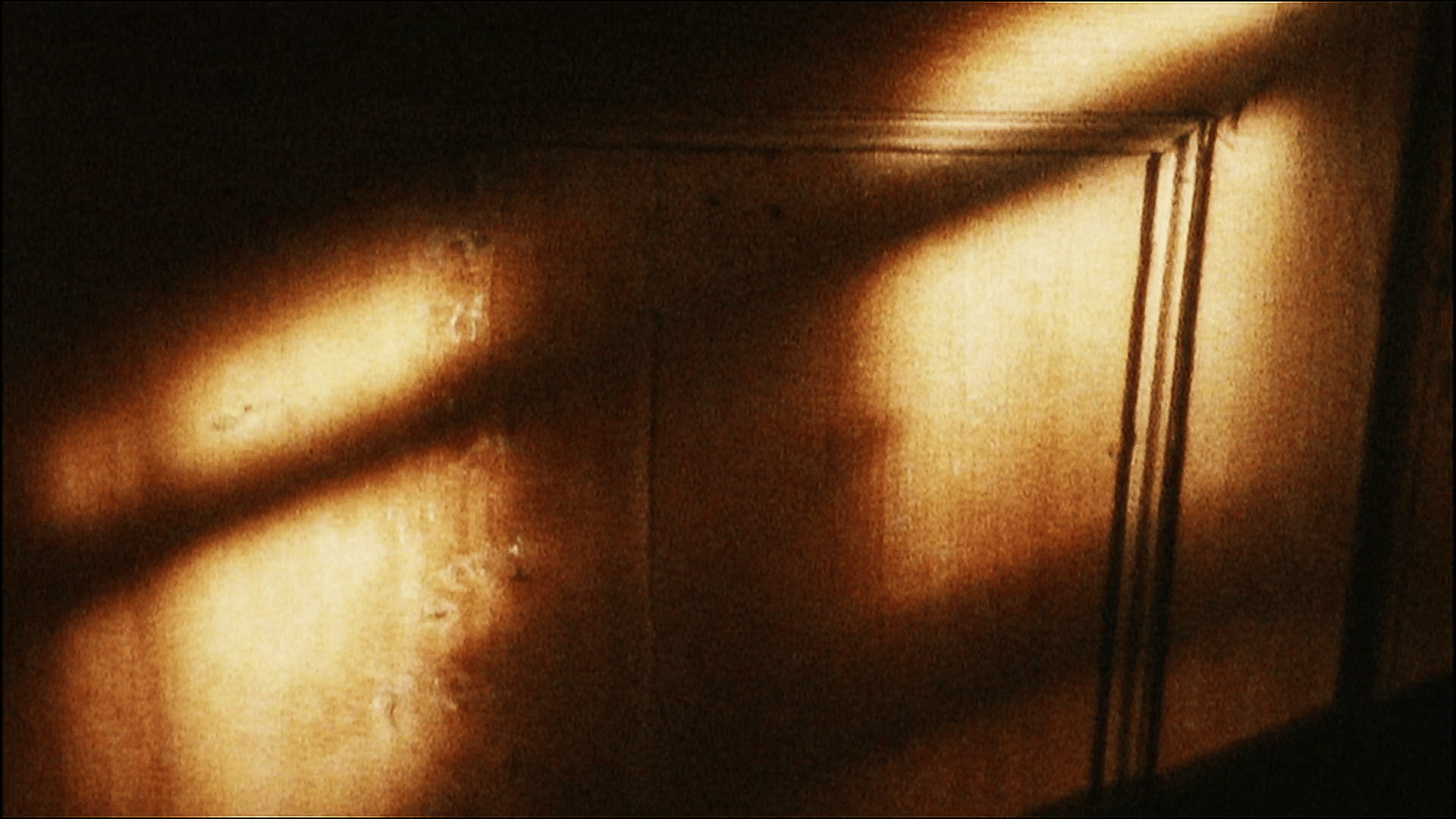
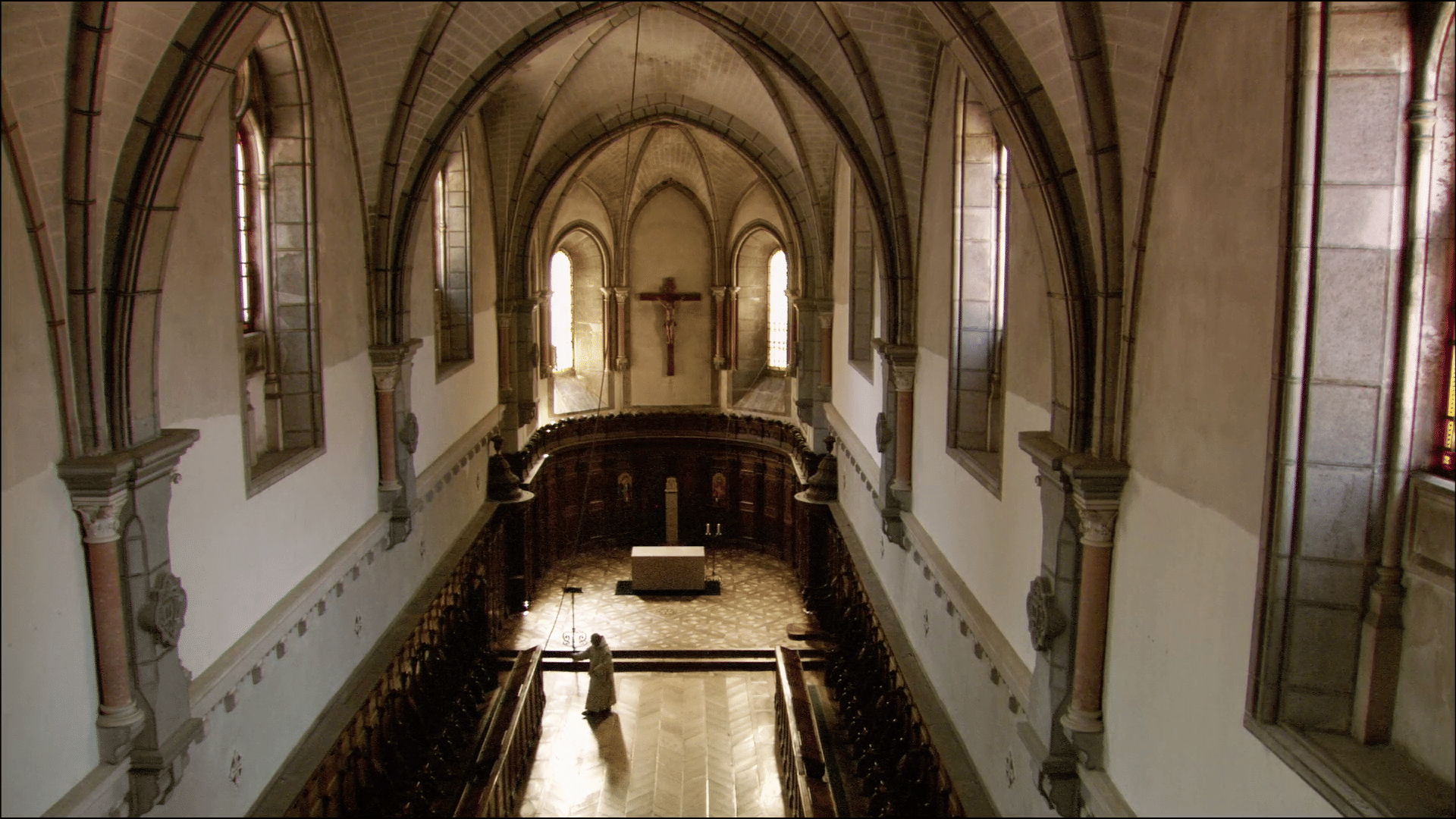
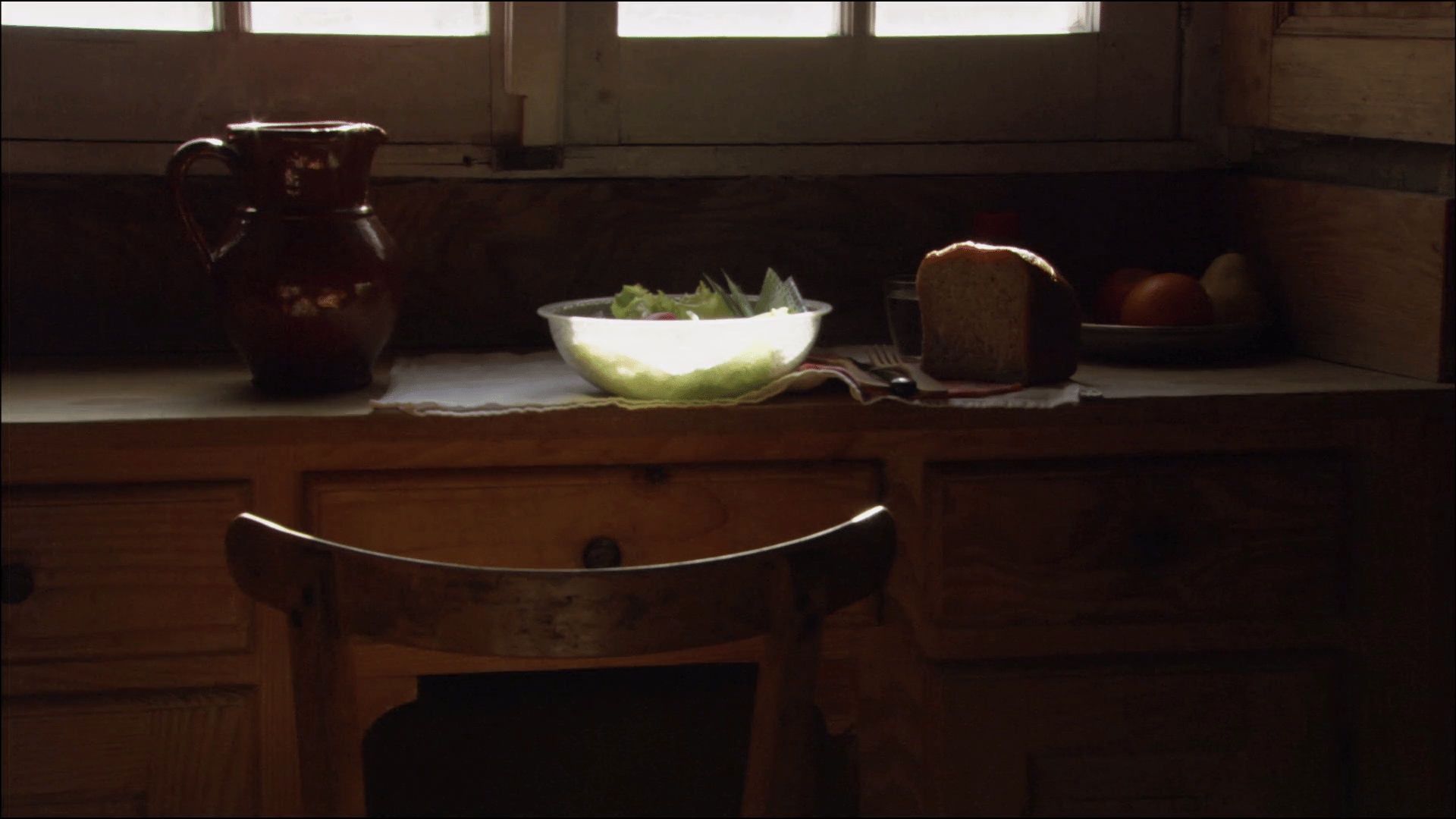
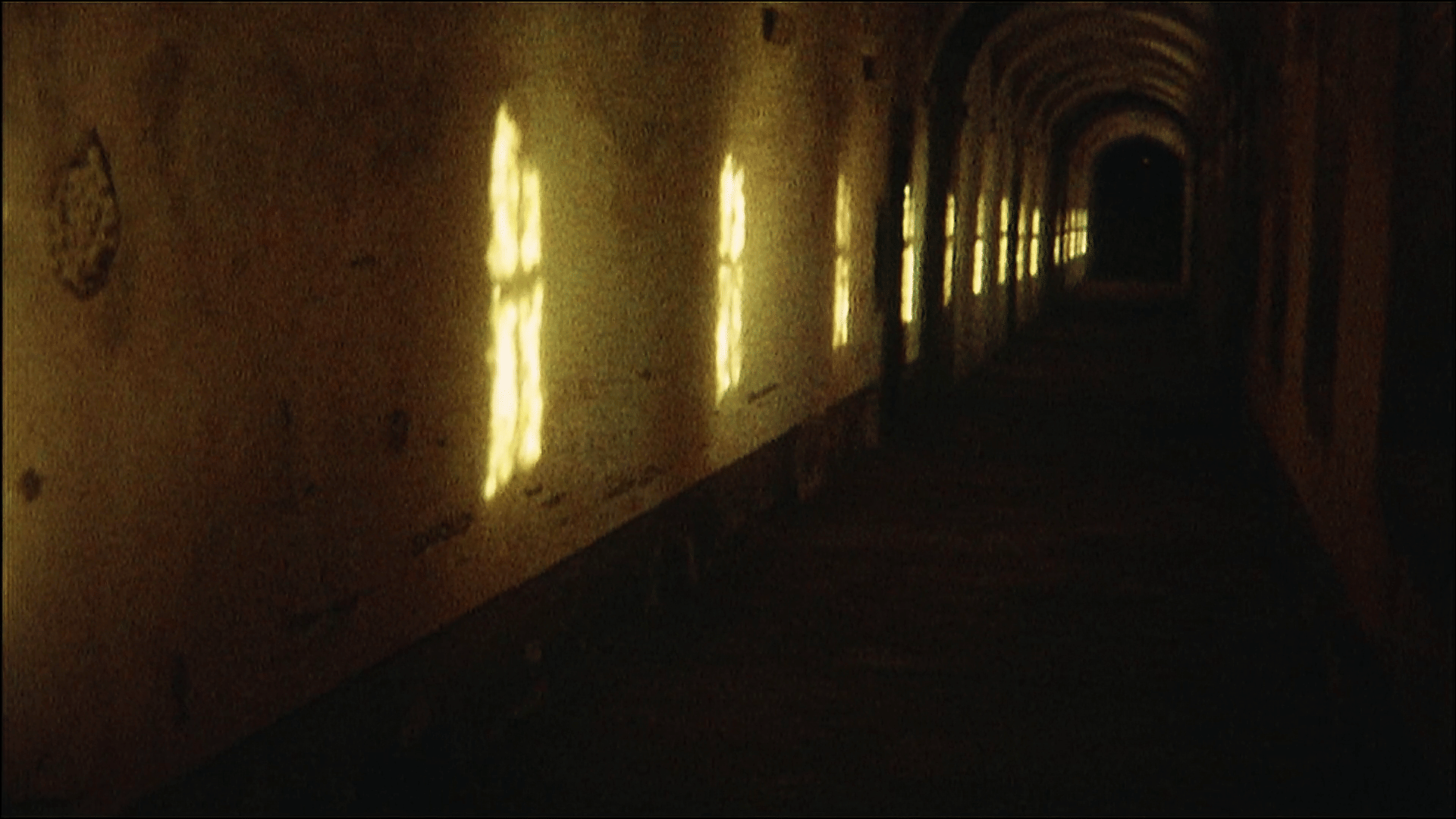
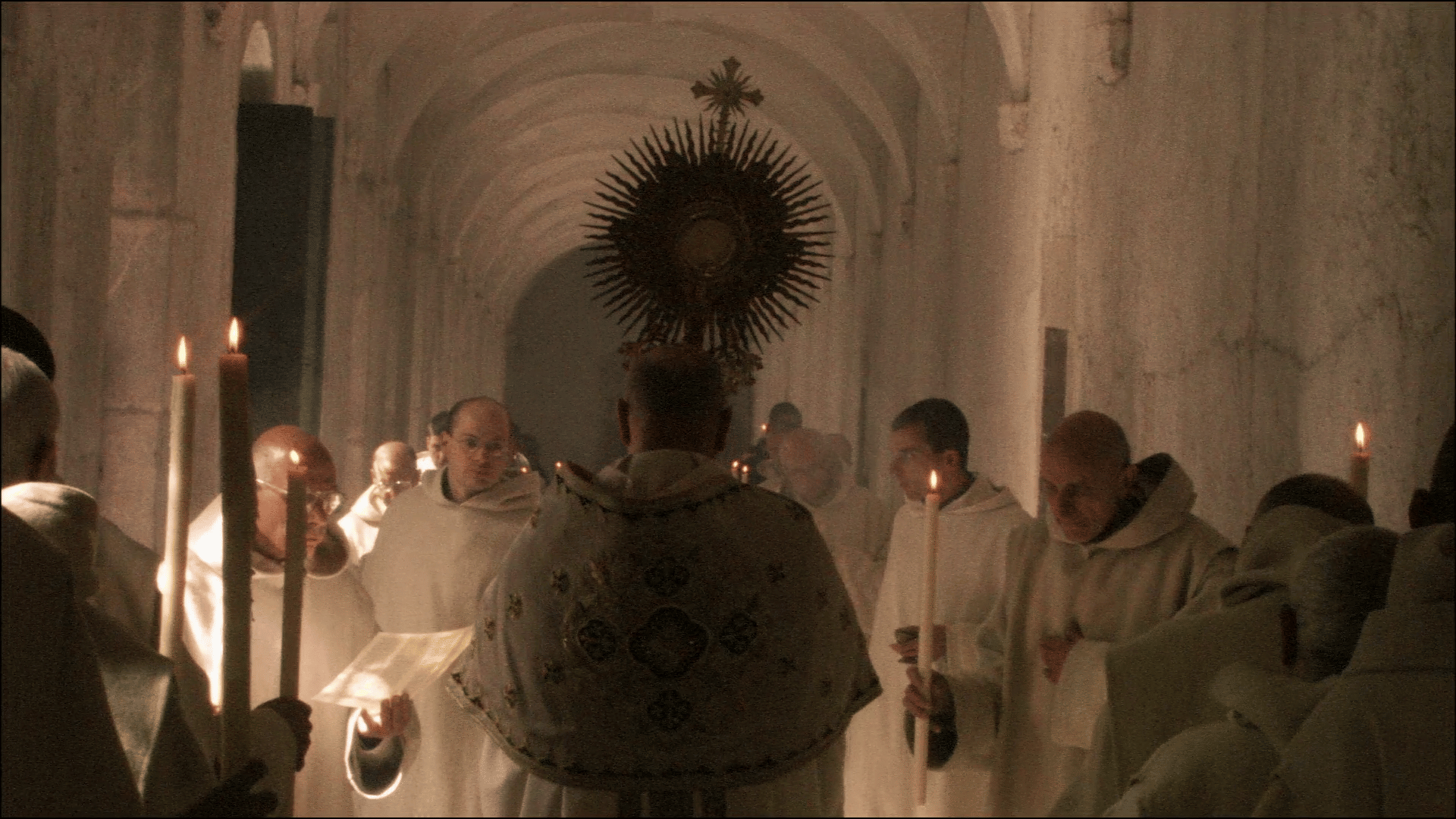
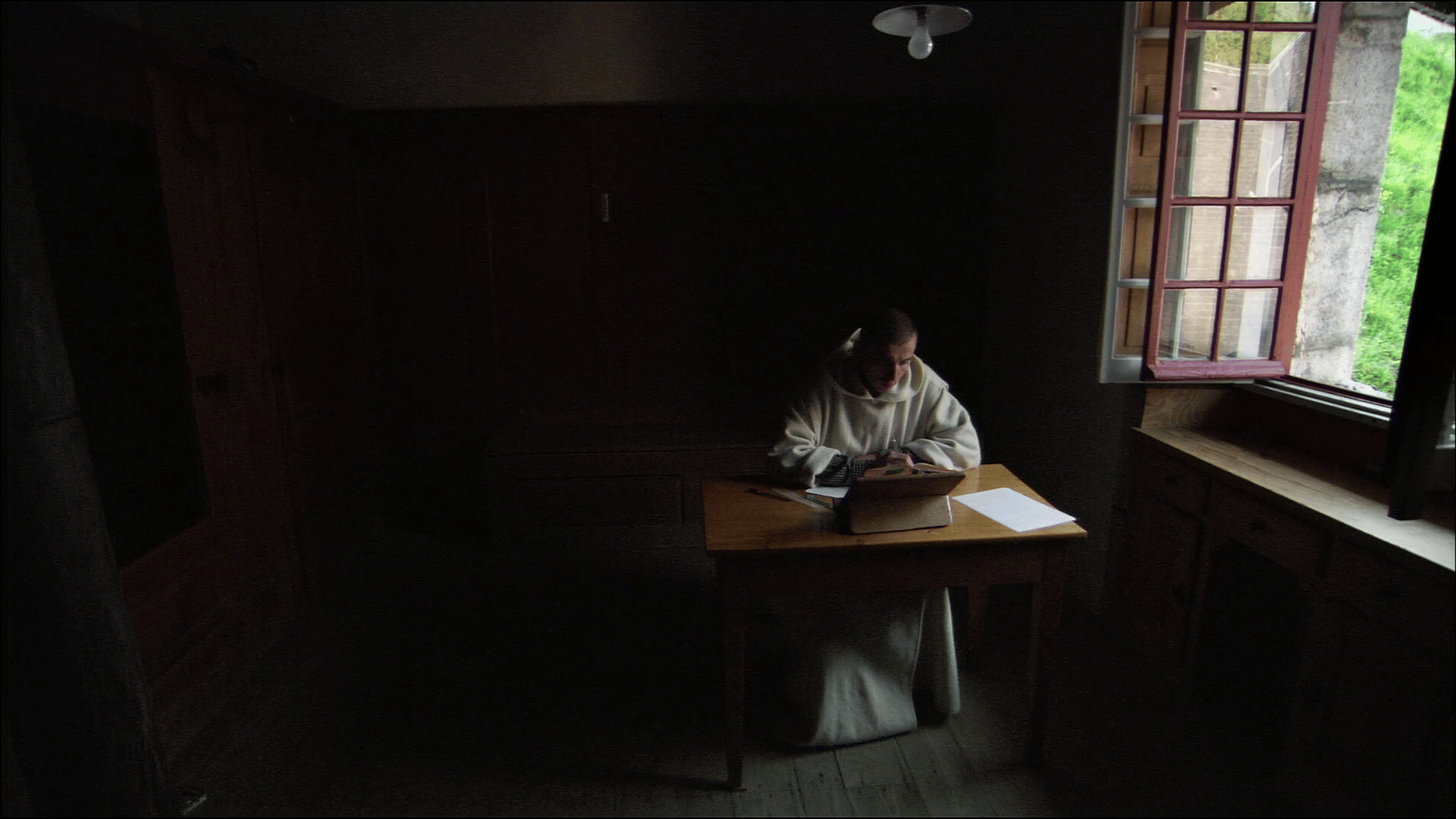
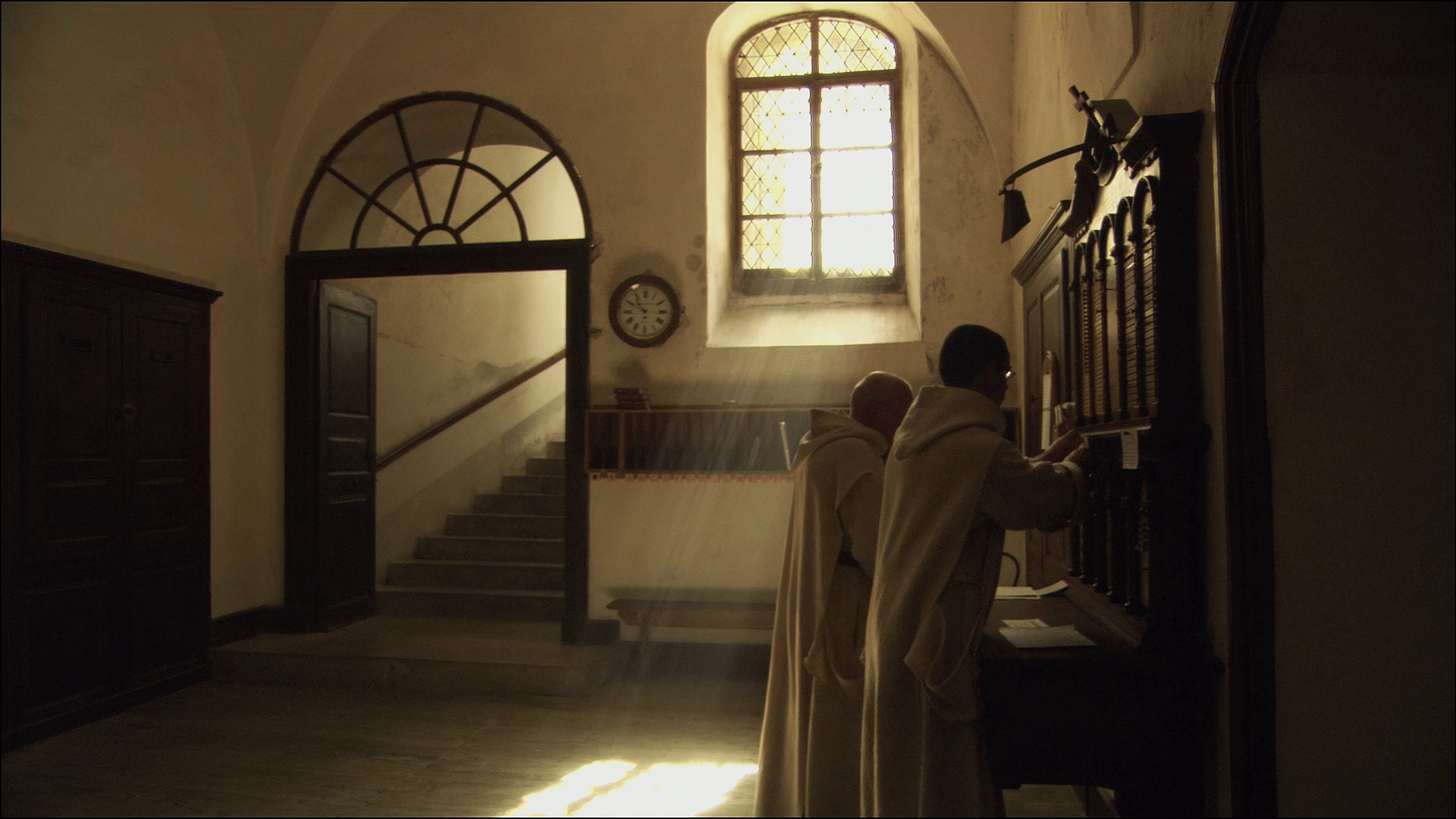
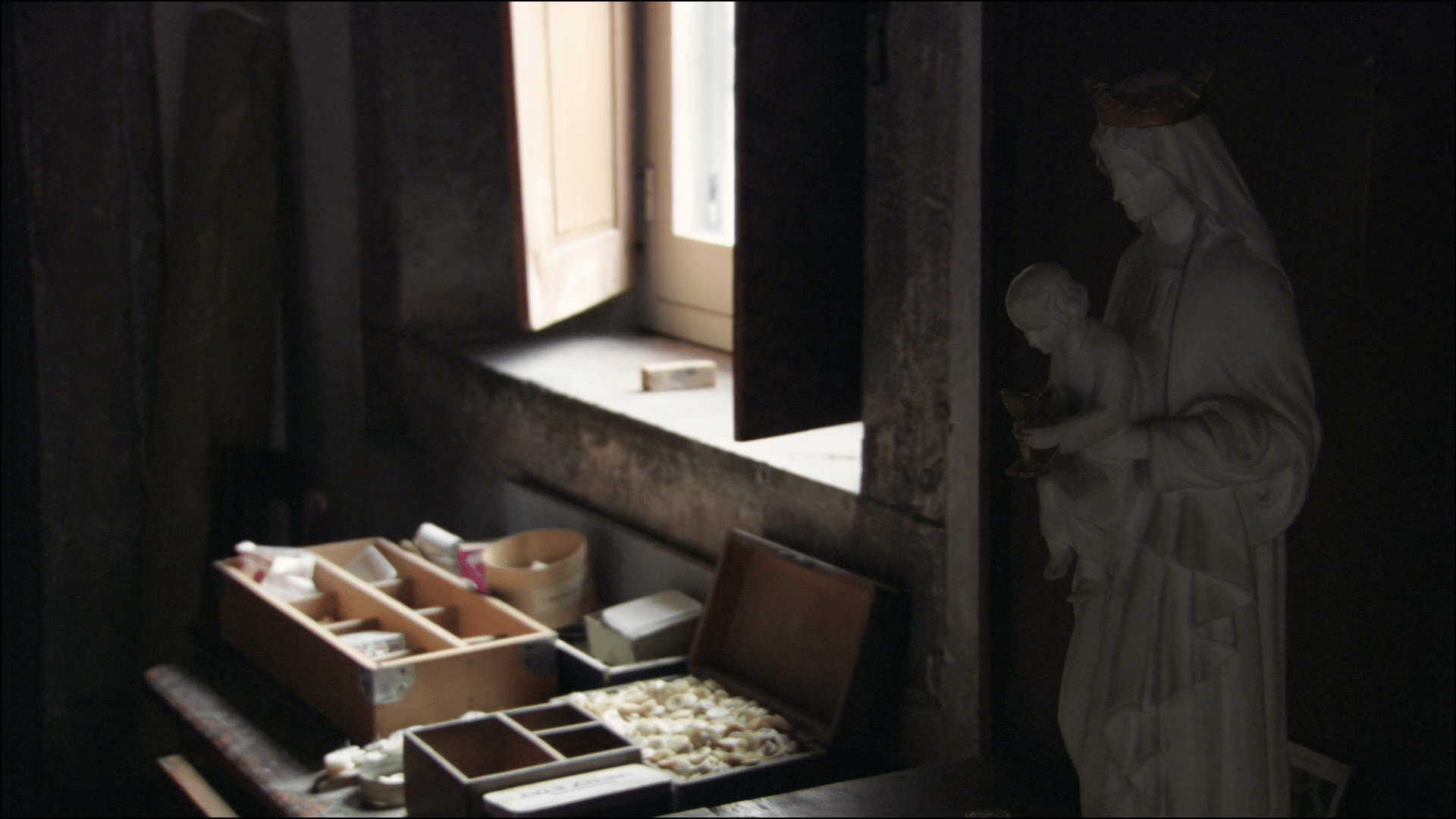
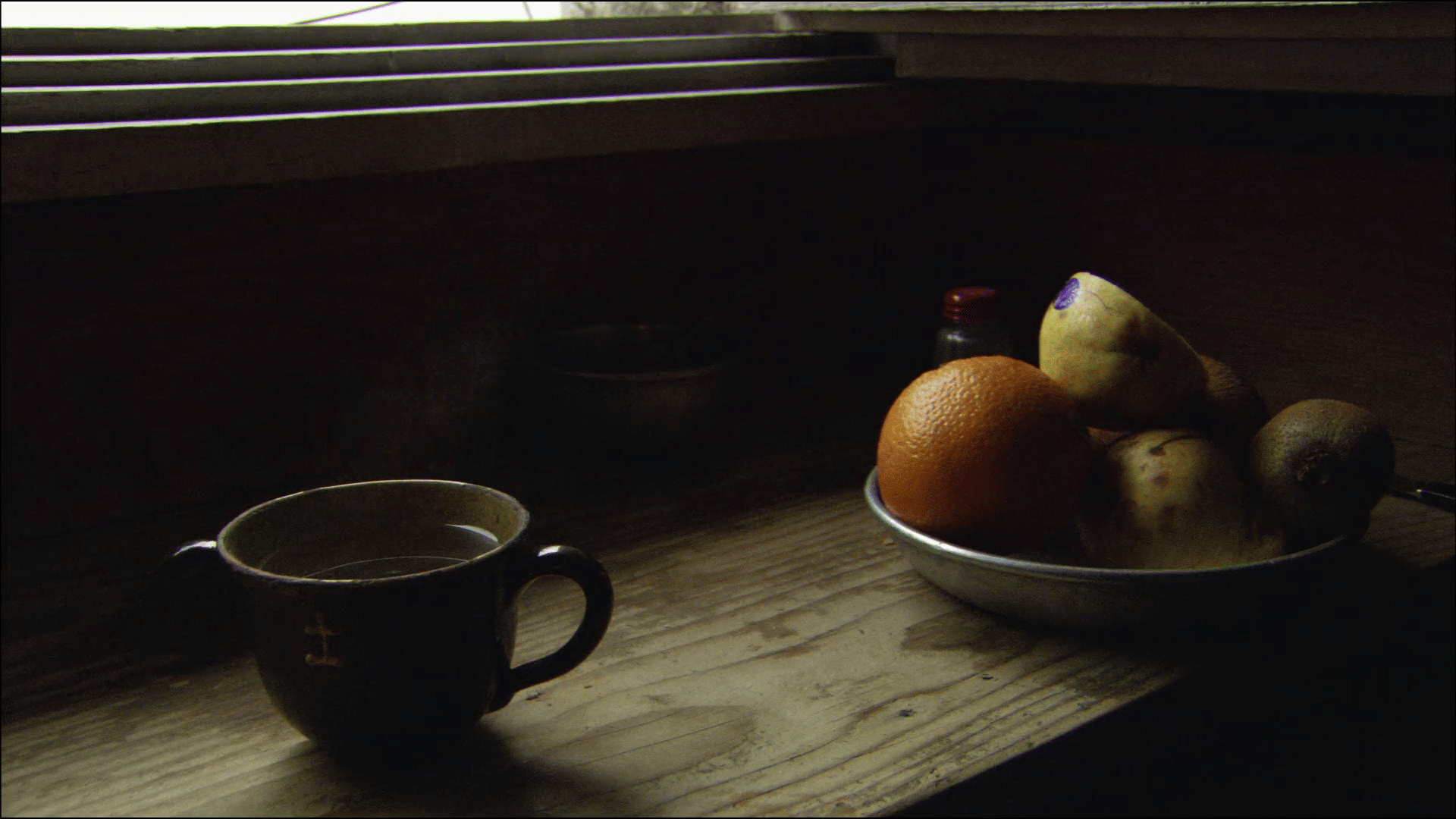
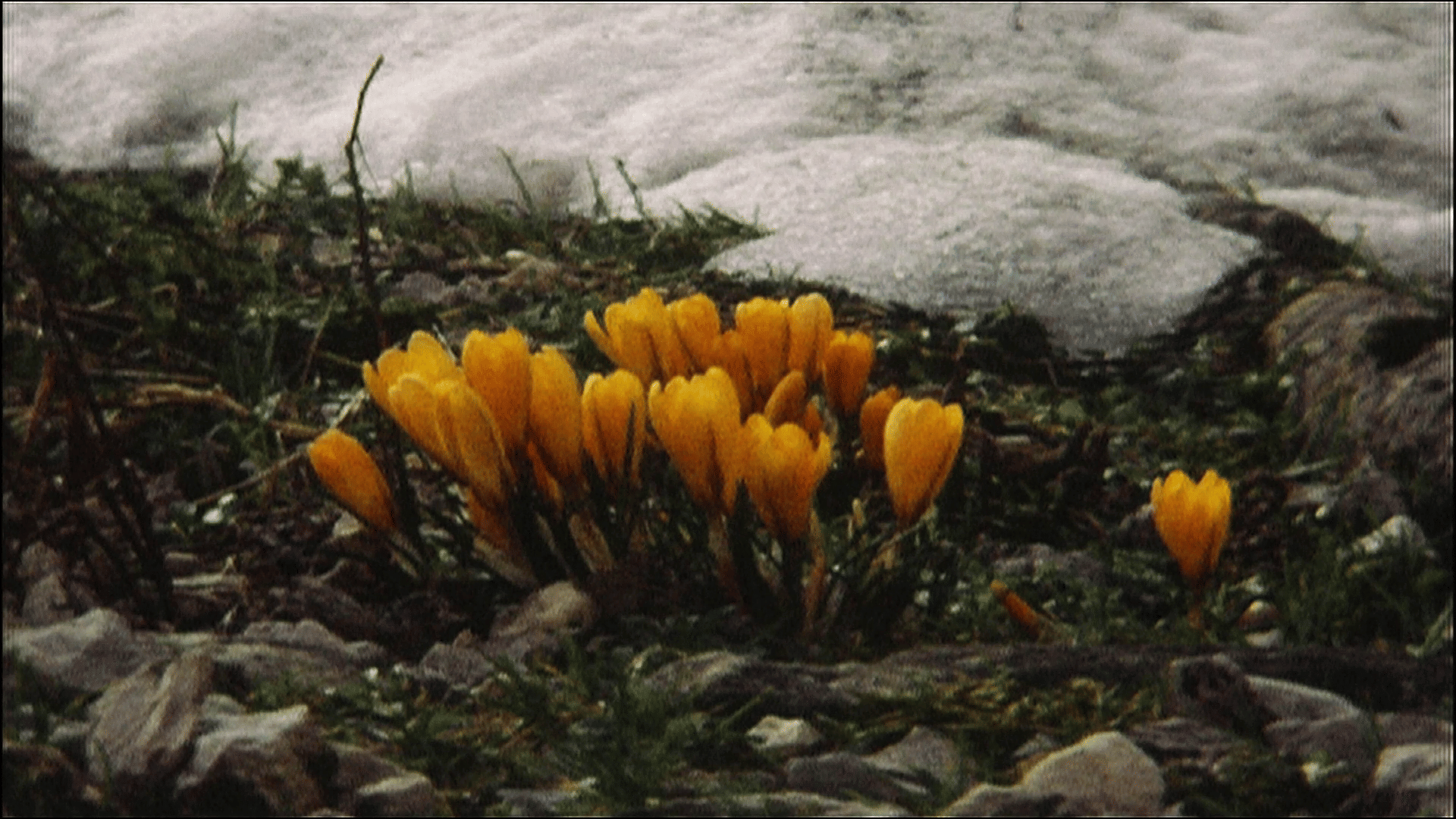
Watching Into Great Silence reminded me that films are not just about things, they can actually create or be those things. By that I mean, this is not only a film about the spiritual, it also creates a spiritual experience. You touch something sacred through the act of watching it. It makes you feel like you are witnessing that which is holy, mysterious, and numinous. You feel it through the silence, the sunbeams on the walls, the dust particles in shafts of sunlight, the chanting of the monks, the new flowers shooting through the ground, the sharing of a meal, the planting of a garden. One need not be Christian or religious to appreciate this film or to enter into the luminosity of it.
When I say I desire God, I think what I desire is an opponent—a force to wrestle with, to ask questions of, to unleash my rage at. I want to ask why my parents were taken from me, why this world is so depraved, why we do not care for one another. But there is no one to attack. There is only silence. In this silence, the Carthusian monks of the Grande Chartreuse find their God. In this silence, I find no God at all.
“What happens in a monastery,” Gröning said, “is that you realize that this sense of the absence of God in the world is a contradiction in itself, because the world — creation — is already an expression of a higher being. The closer you look at things, the more you realize that.”
For Gröning, this discovery was brought home with unexpected force by a potentially fatal accident: While shooting outdoors, he slipped and fell off a cliff. “I fell five and a half or six meters [18–20 feet] down,” he said. “I was lying on the ground, and I thought I was dead. I’d studied medicine, and I felt no pain, so I thought: Okay, half or six meters vertically down onto a layer of stones, no pain anywhere — that means your neck’s broken. Forty-five seconds and then it’s done.”
From this privileged vantage point at the bottom of the cliff, the director had an eye-opening encounter with the evidentiary power of beauty. “I was lying there and I was looking up, and I was so amazed by the beauty of the trees above me. And I really thought: It’s such a fantastic thing to live. And that’s a moment when I thought: This is more than just the random moving about of atoms. In beauty there is something that exceeds chance.”
— from an interview with Philip Gröning