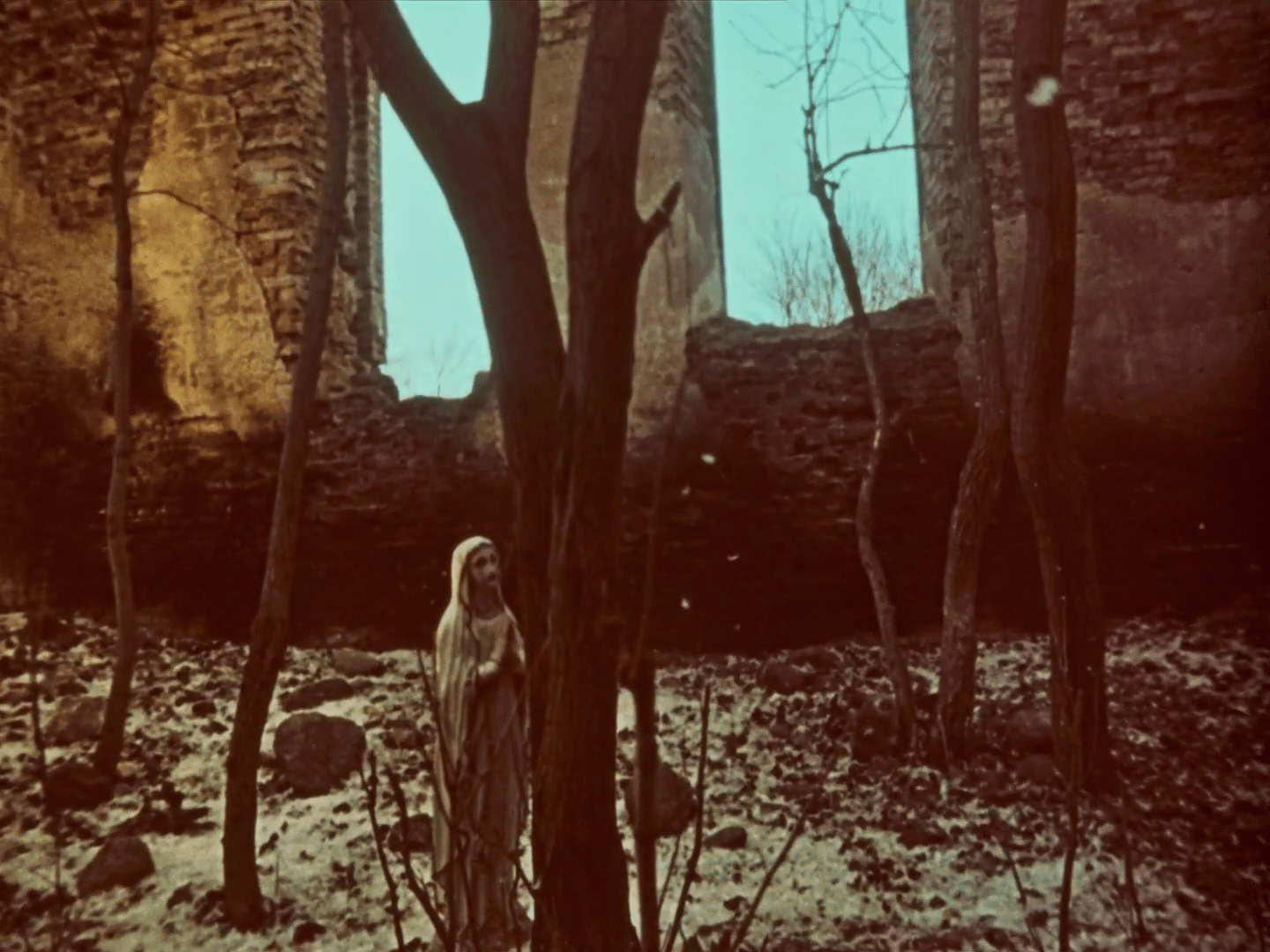
The Veldt (Nazim Tulakhodzhayev, 1987)
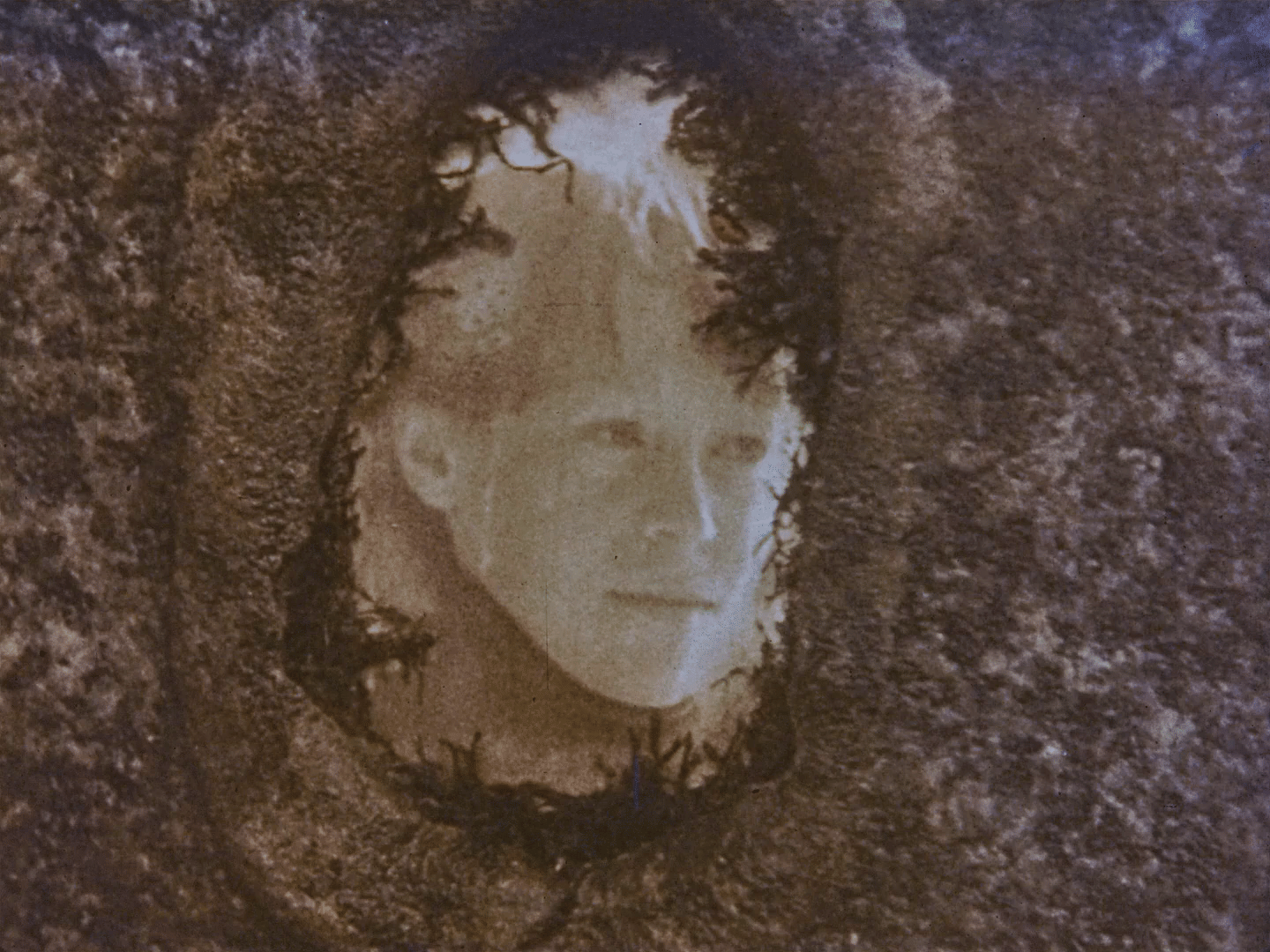
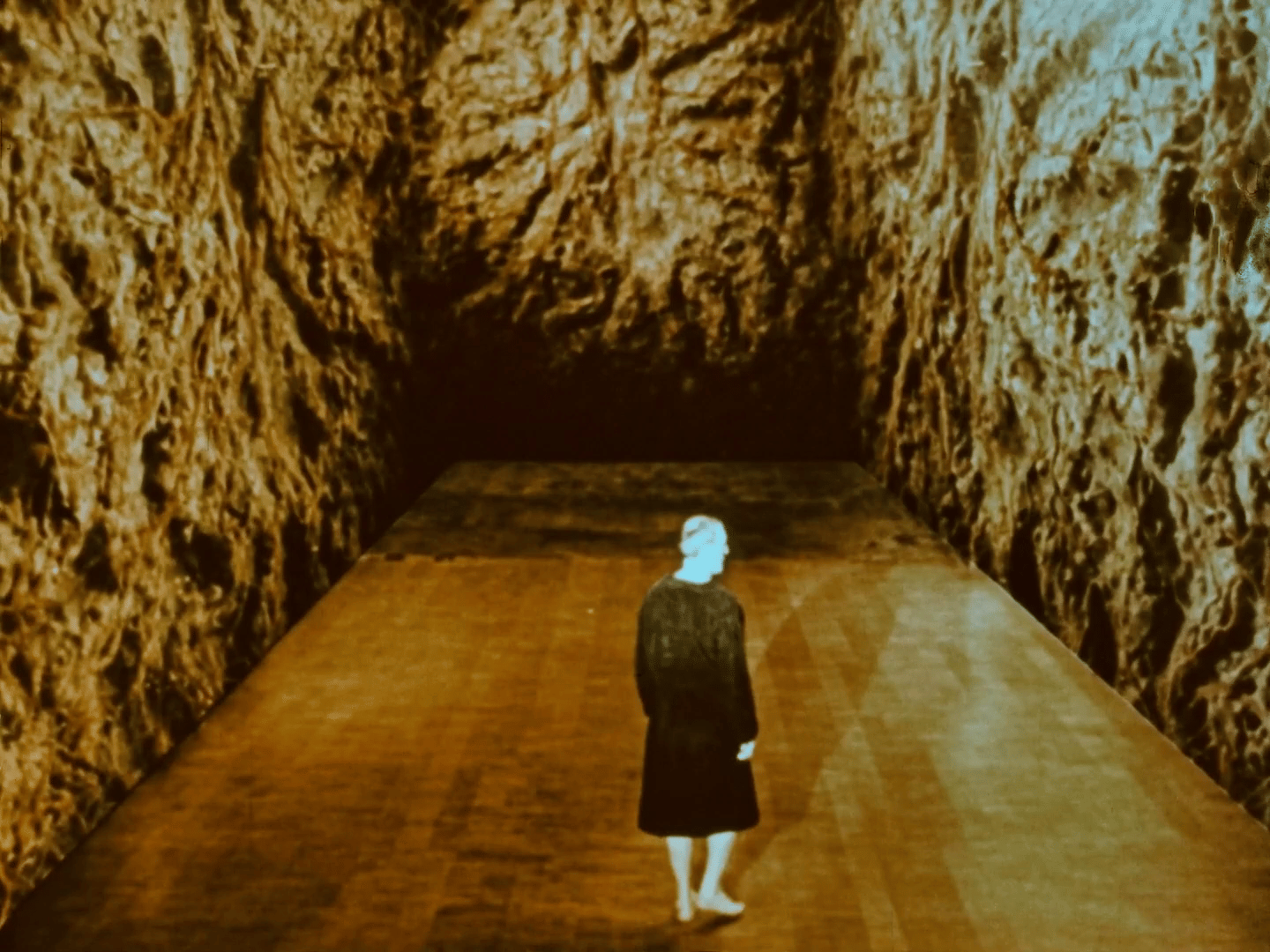
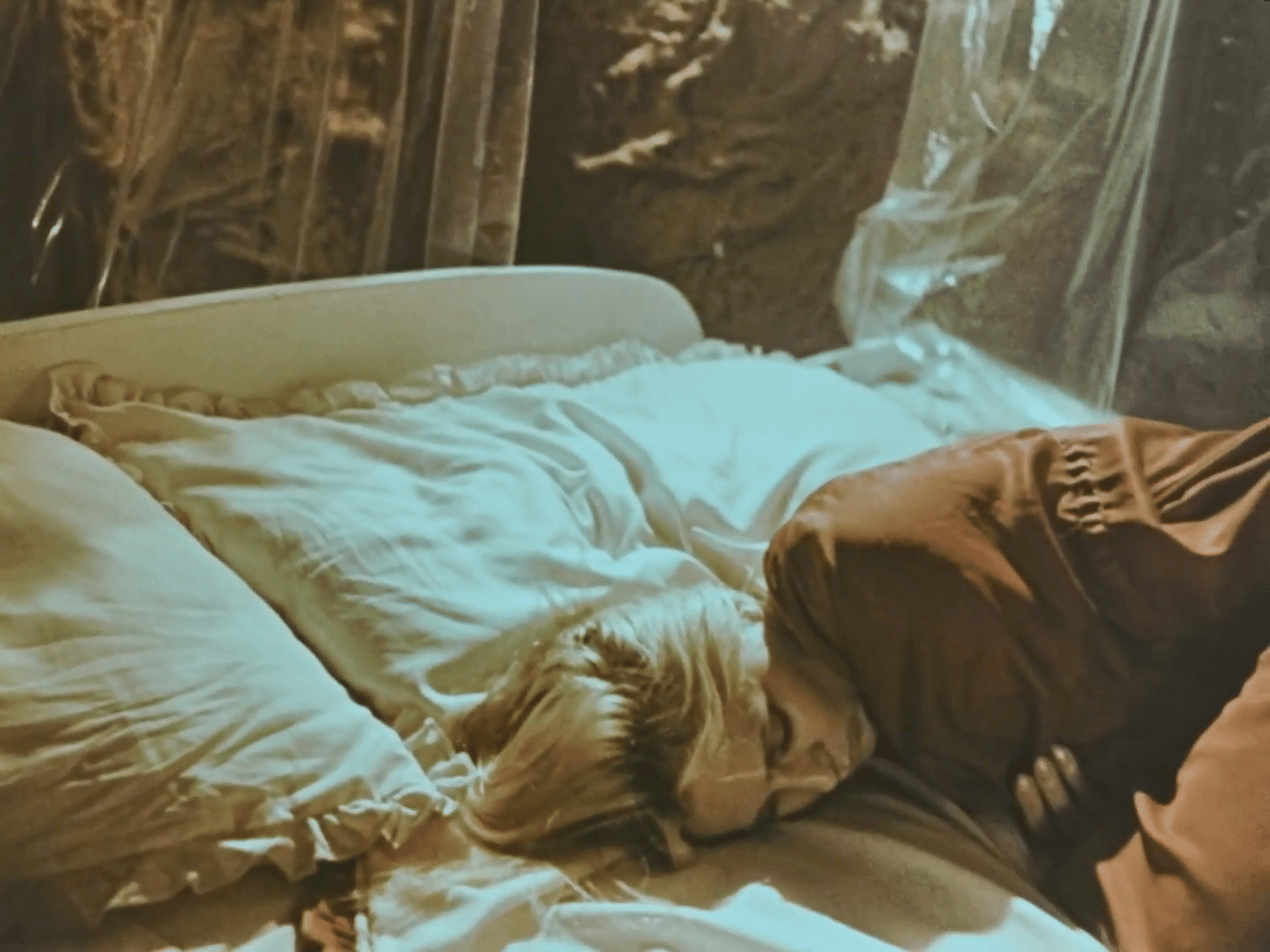
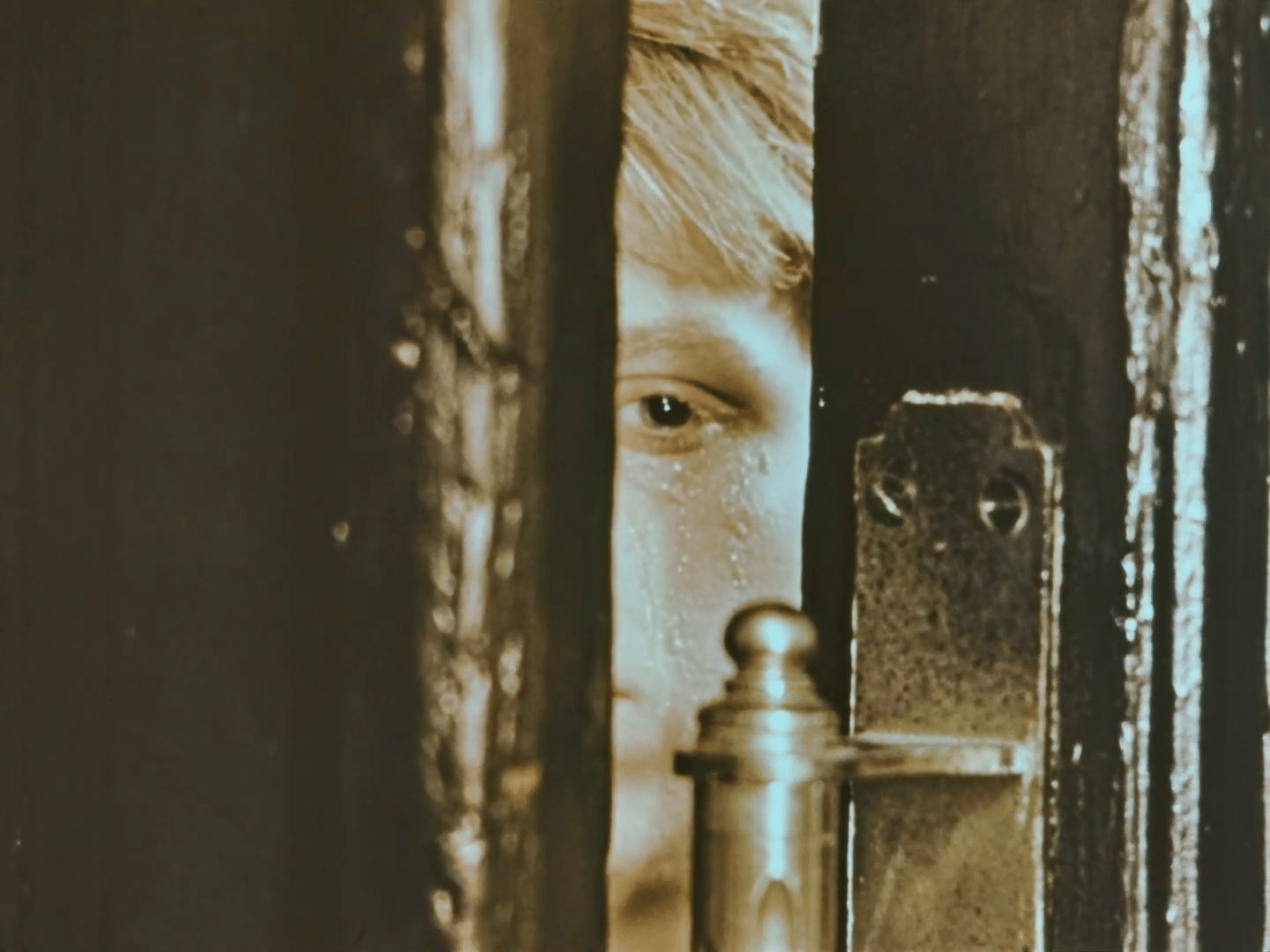
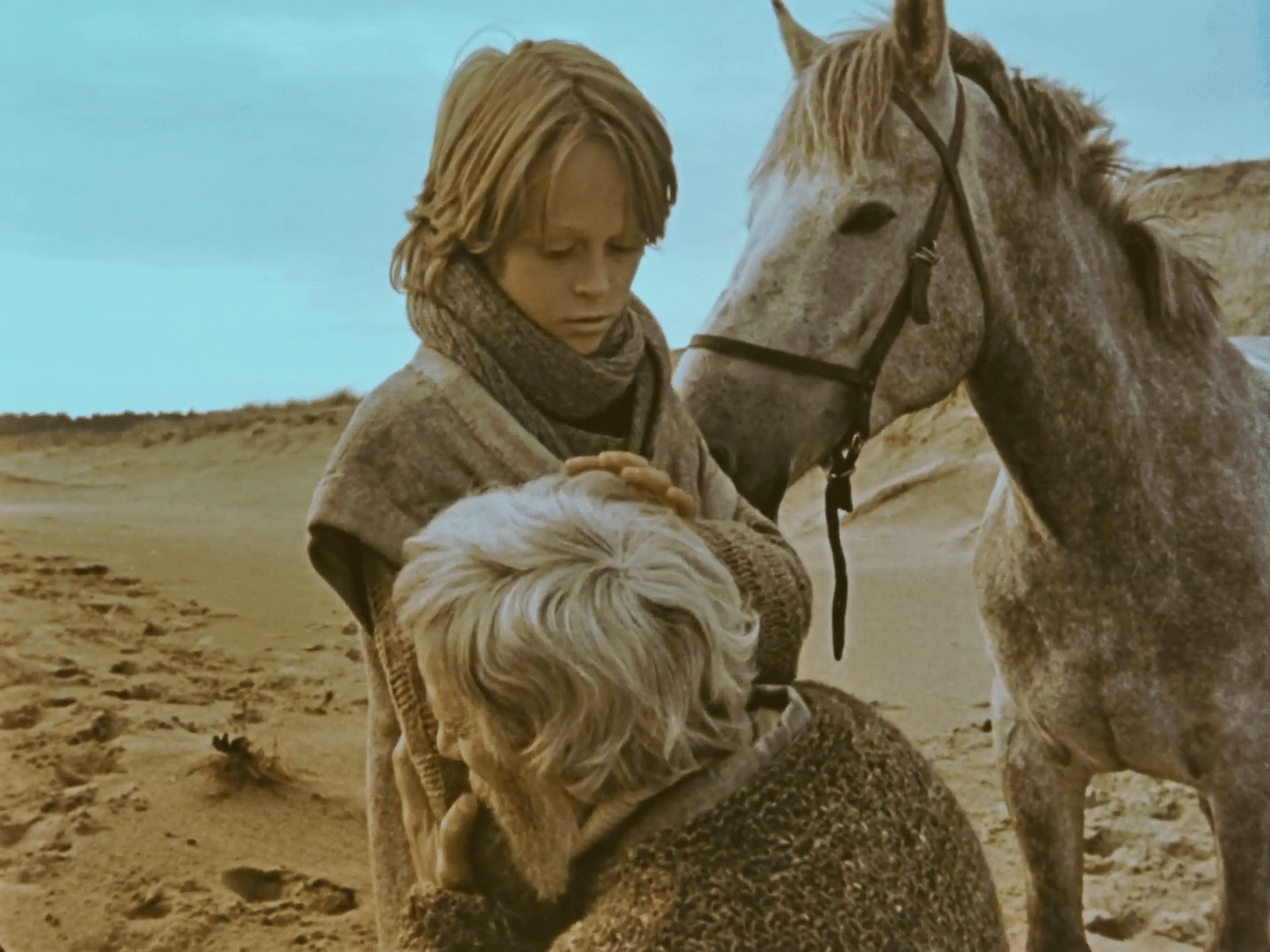
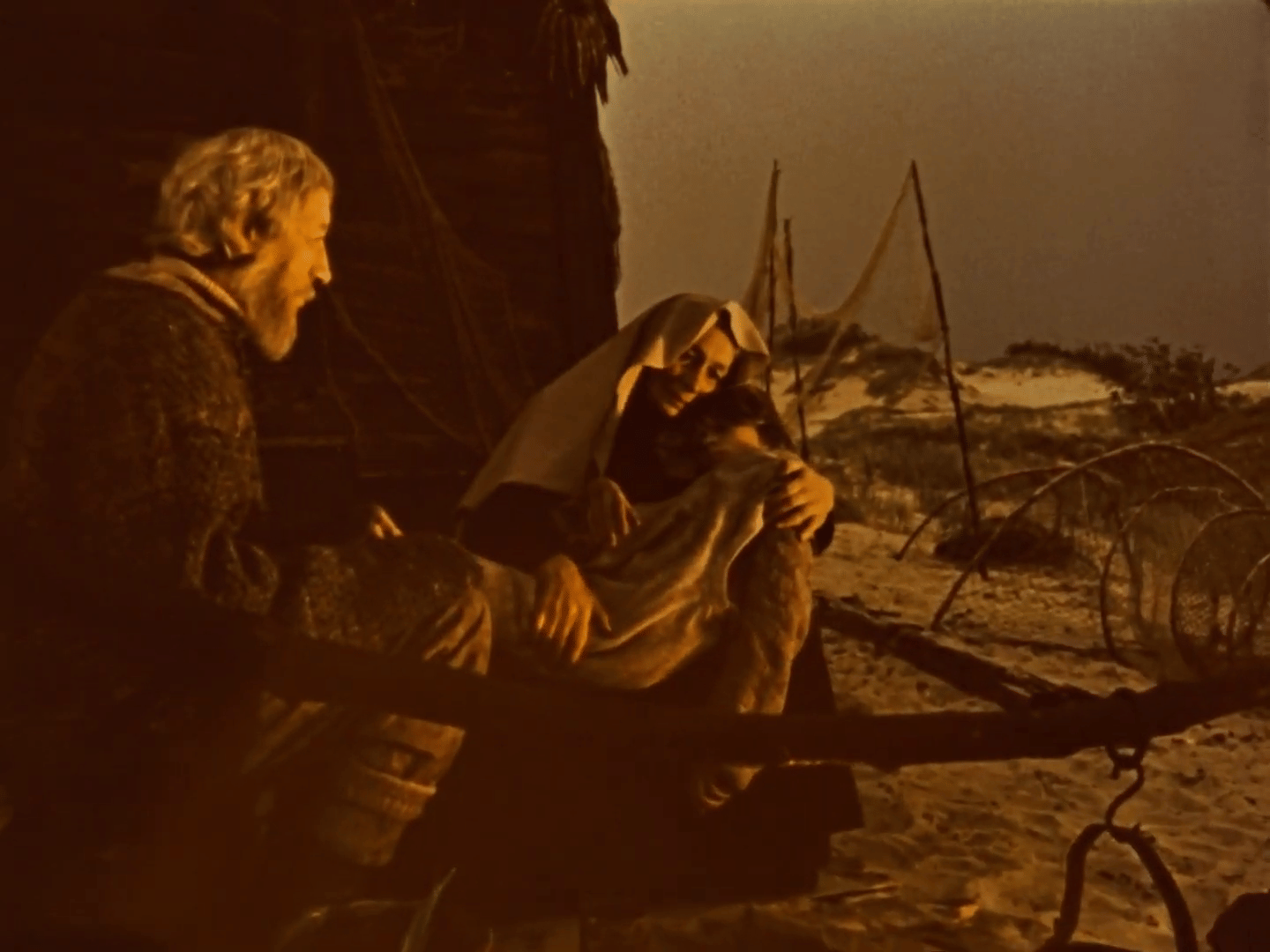
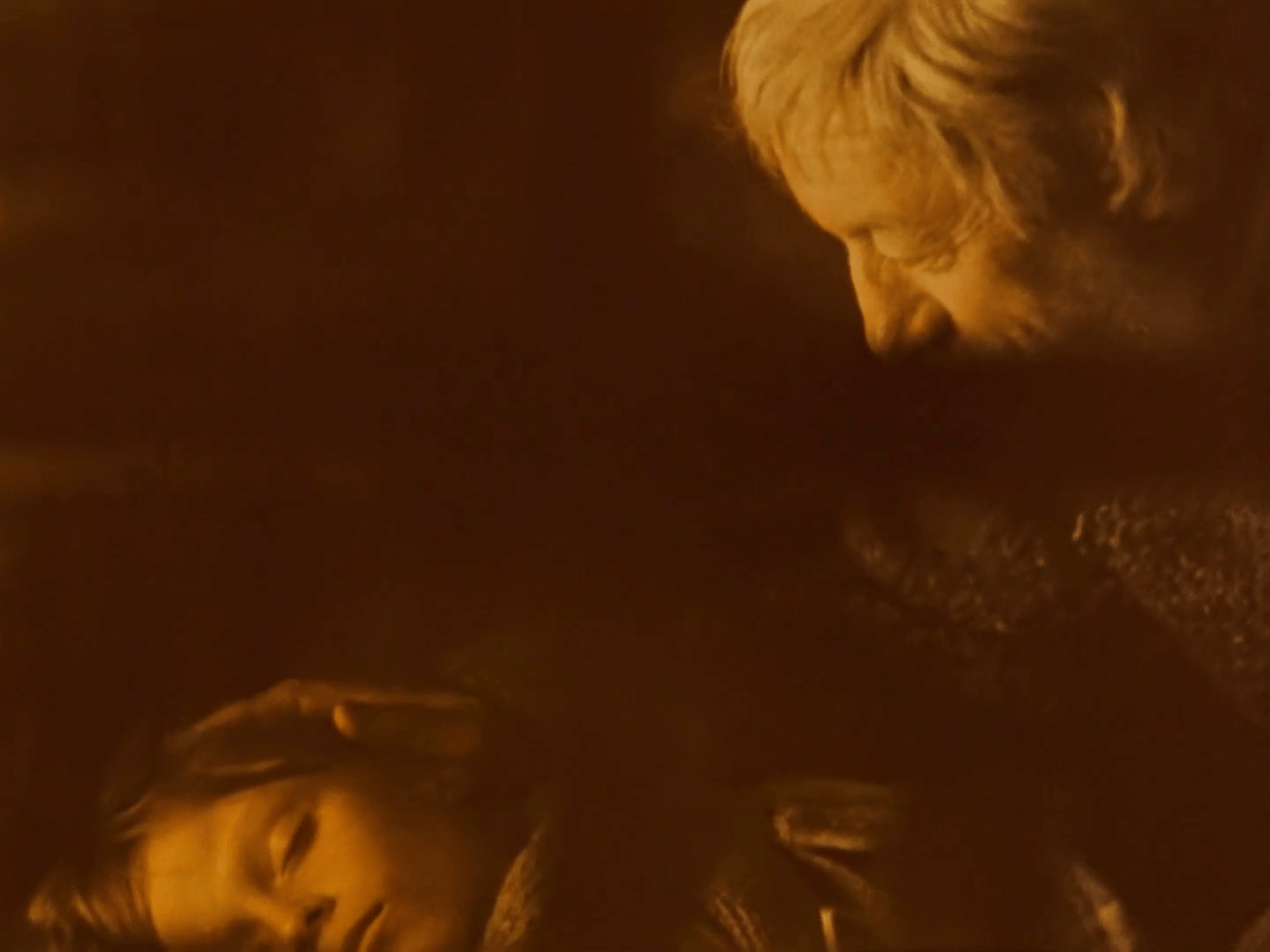
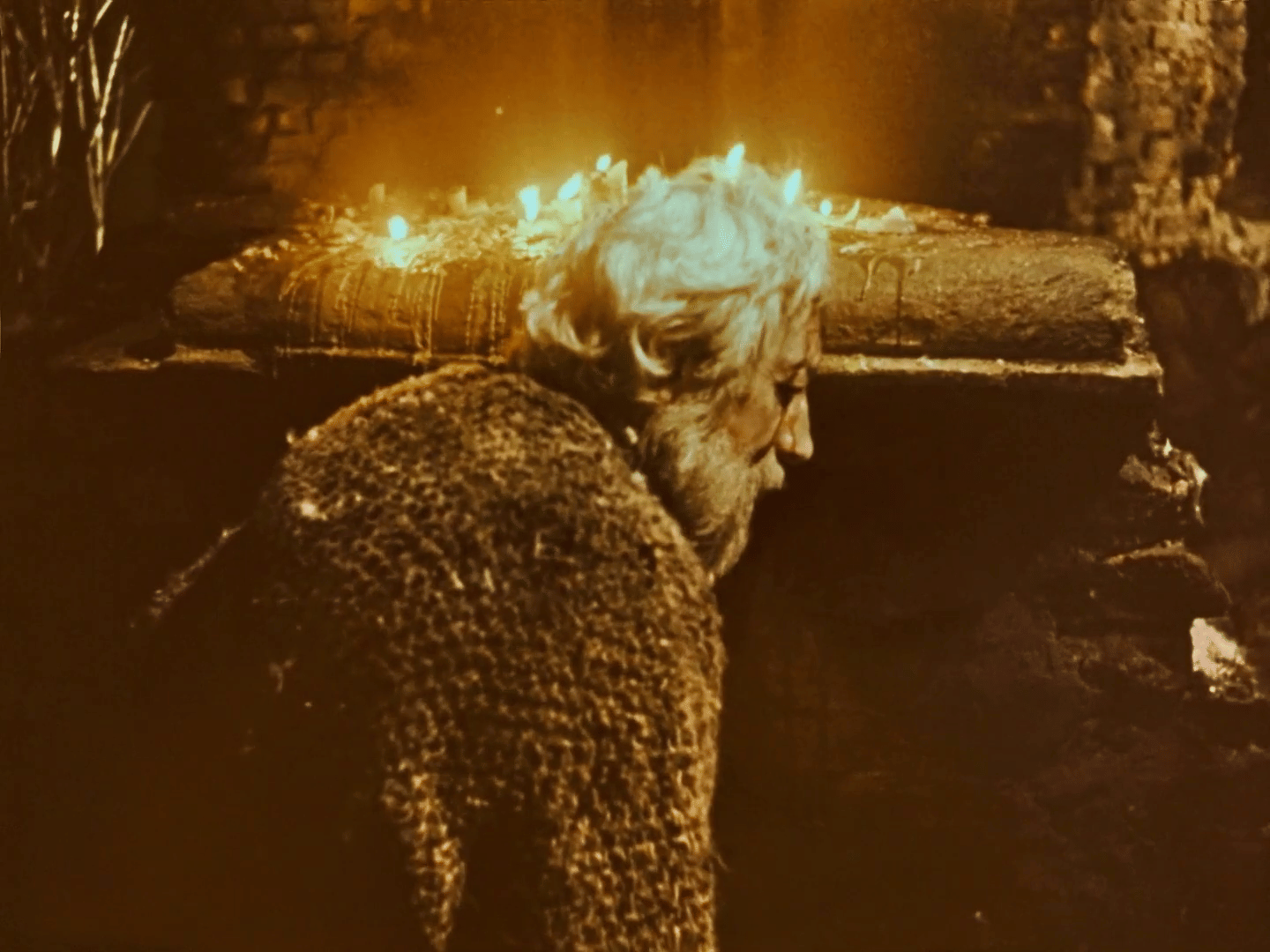
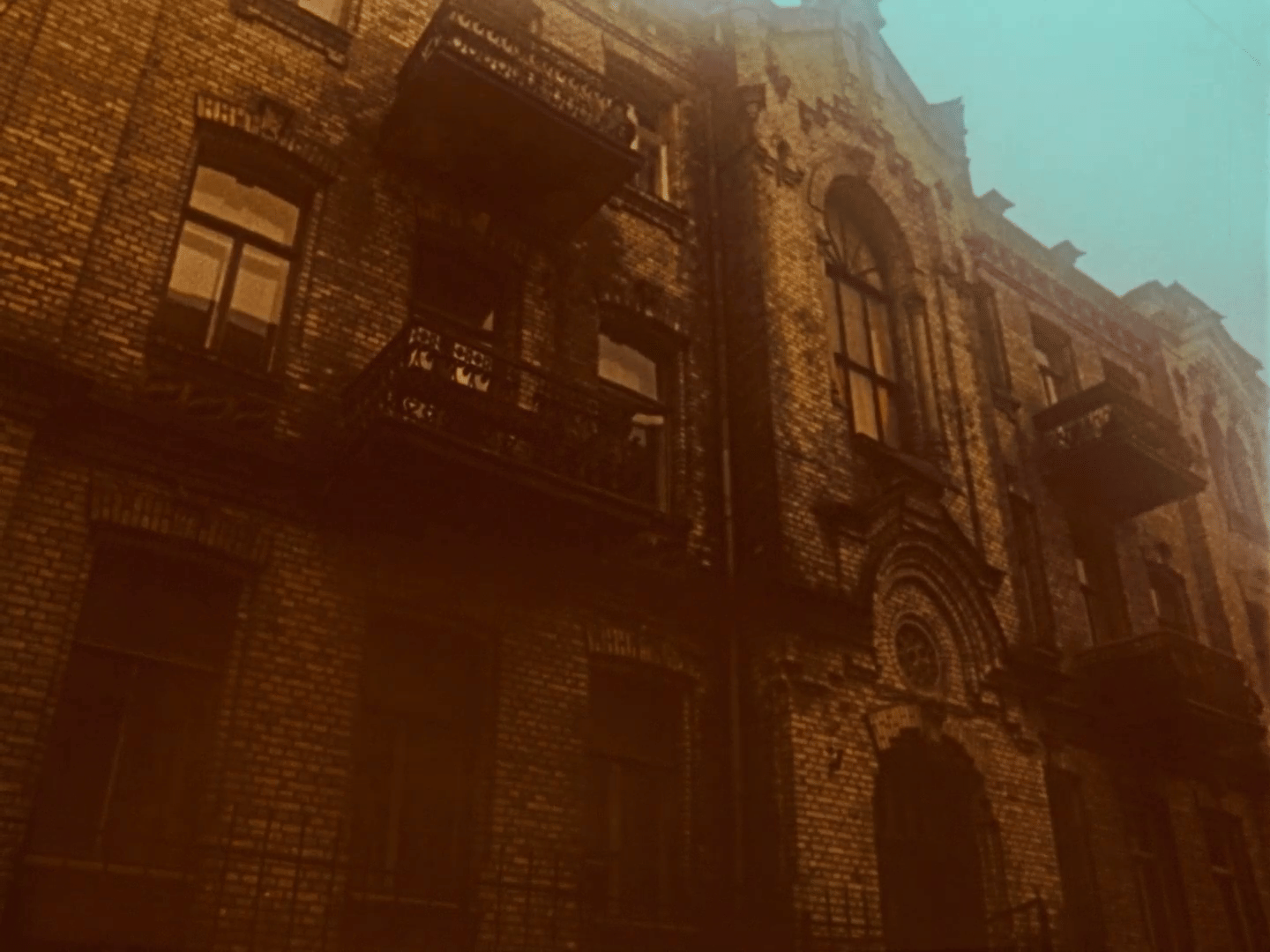
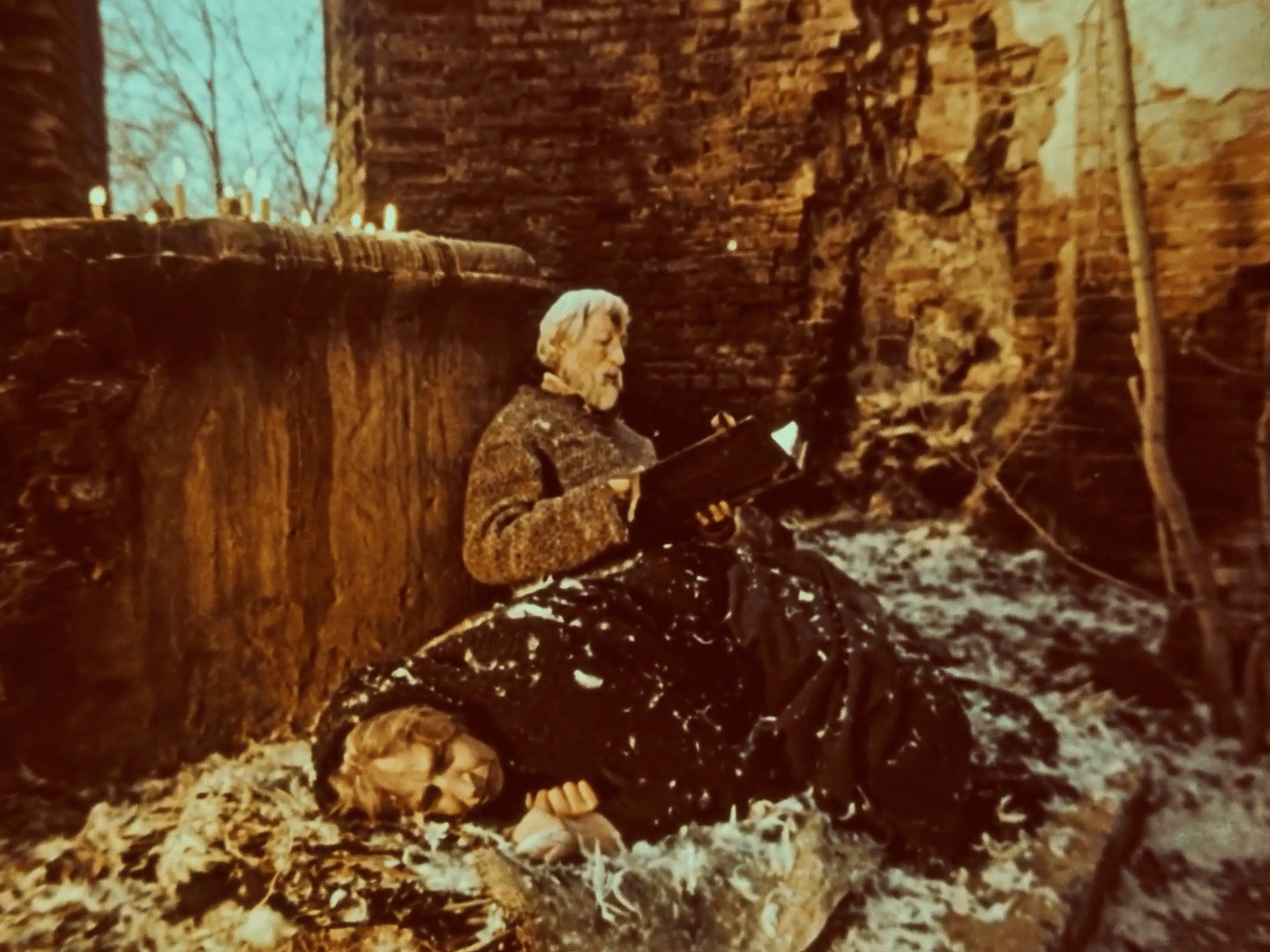
The Veldt (1987) is a disquieting, sepia-drenched Russian adaptation of several stories by Ray Bradbury, including "The Veldt" and "The Pedestrian."
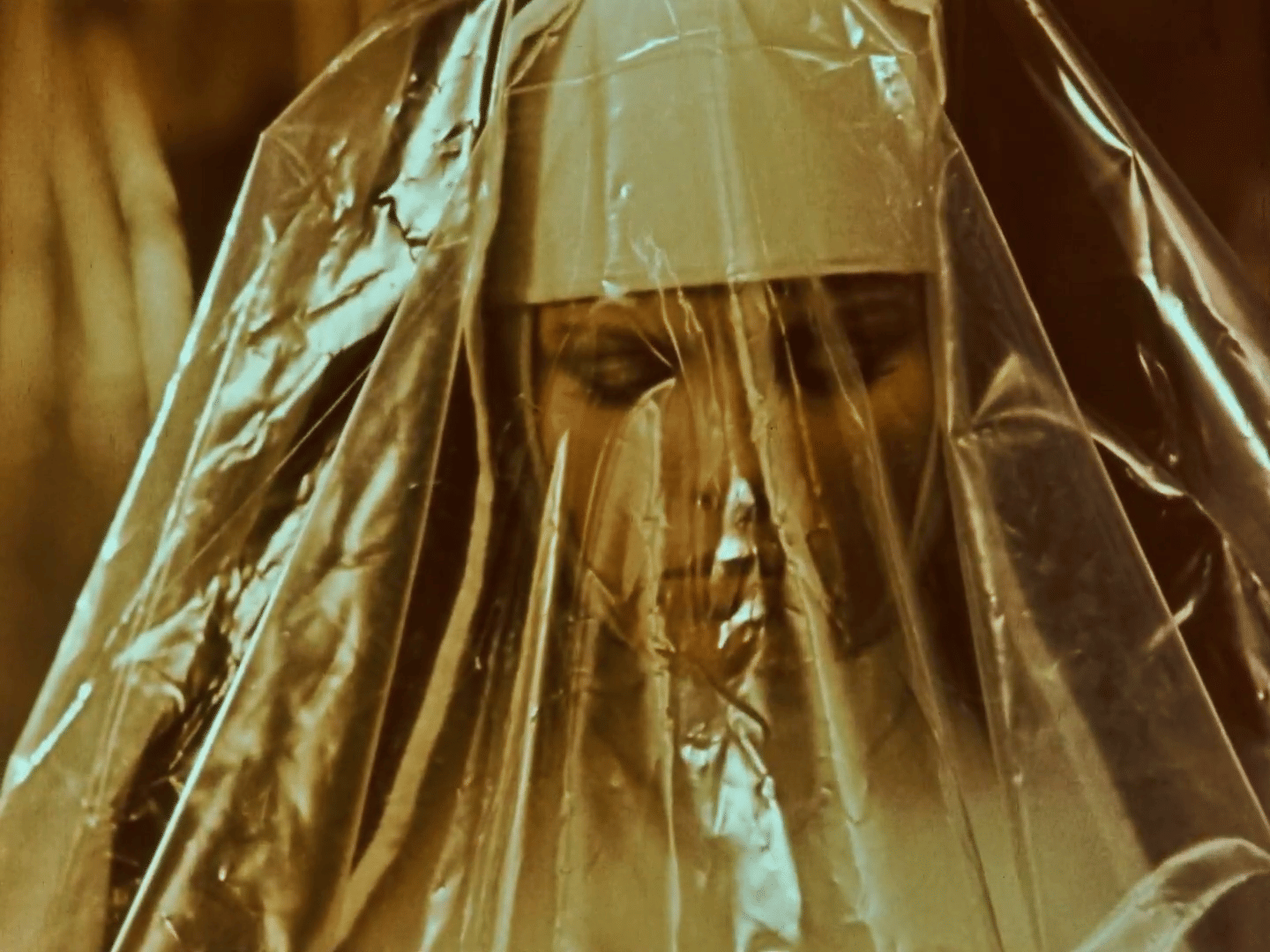
In "The Veldt," a family lives in a house that takes care of their every need. The children's nursery is made of "crystal walls" that "look real" but are "super-actionary, super sensitive color film and mental tape behind glass screens." These walls catch "the telepathic emanations of the children's minds" and create "life to fill their every desire. The children thought lions, and there were lions. The children thought zebras, and there were zebras." When the father attempts to turn the nursery off and free the family from the house, the children have other plans.
Sound familiar? This story, written decades ago, predicted virtual reality, our dependence on technology, and how we've become consumed by the seductive fantasy worlds that live on our smartphone screens.
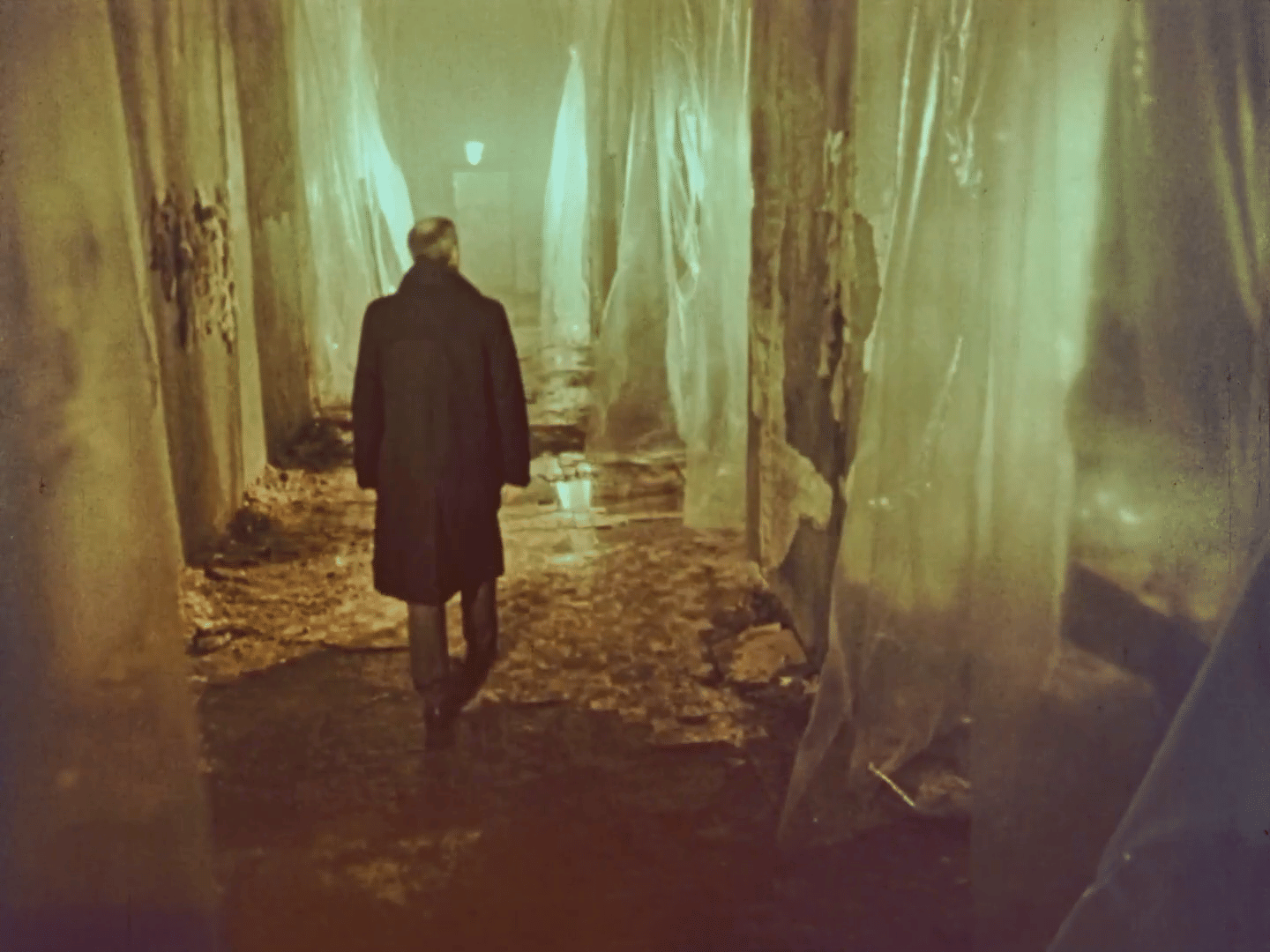
While "The Veldt" is inarguably one of Bradbury's greatest stories, it is "The Pedestrian" (only briefly alluded to in the film) that I've been thinking about the most lately. The story is about a man who walks alone at night while everyone else sits inside in front of their television screens. His quiet act of rebellion makes him a target of the police.
There is a cost to shutting off the house, walking out of the nursery, and turning away from the screen, and yet that is why one must do it. Not because it's easy, but because it is necessary. A man walking at night smells the earth, sees the stars, hears the birds, remembers real life. That's what the father in the film is trying to get back to. The tragedy is that he remembers a world his children have never experienced, a world that is lost forever.